
By: Ashley Bustillo
Atlantic Hurricane Season is, for many humanitarian organizations, one of the year’s busiest periods. As Airlink’s Associate Director, Americas, the question that drives every conversation heading into the season is: How is Airlink preparing for the next big storm?
NOAA’s forecast for the 2026 Atlantic Hurricane Season predicts a below-average year, with 8-14 named storms and a 55% chance of below-normal activity, mostly driven by the developing El Niño pattern. That’s broadly good news, but we should always keep in mind that “it only takes one storm to make for a very bad season.”
This is the reality that shapes every preparedness decision at Airlink. Airlink has its founding roots in the Caribbean, having launched its first response in Haiti, and committed to every major hurricane response since. For over 15 years, the team has supported recovery following Hurricane Beryl in 2024 and Hurricane Melissa in 2025, both of which displaced thousands across the Caribbean and put strain on already fragile health systems, and dozens of other devastating storms. The pattern is relentless for humanitarians and unforgiving for communities, and we cannot wait until a storm forms to start preparing.
In May, a month before Hurricane Season began, Airlink had the privilege of hosting a regional logistics preparedness workshop in Bogotá, Colombia, bringing together nonprofit and logistics partners from across LAC. The conversations centered around coordination gaps, pre-positioning logistics, and logistical challenges that are present in the region: challenging last-mile transport options, geographic fragmentation, and limited runway capacity. Key solutions that came out of the workshop that are shaping how Airlink approaches the season were:
- The importance of pre-positioning supplies and the relationships that make it happen: Knowing which airline partner operates a cargo route into a specific island and having emergency supplies like tarps and WASH (water, sanitation, and hygiene) kits ready to be deployed at a nearby hub can be the difference between a 24-hour response and a 96-hour one.
- LAC networks need year-round investment: Throughout the year, Airlink deepens relationships with regional NGOs and coordinating bodies including the Logistics Cluster and the Caribbean Disaster Emergency Management Agency to ensure that coordination channels are established before they are urgent.
- Airlink’s partnerships are a force multiplier: Nonprofit organizations can spend up to 73% of their budget on transportation and logistics alone. Airlink’s relationships with key regional airline partners, including American Airlines, United Airlines, Southwest, and Avianca, dramatically reduce or eliminate those costs for partners supporting communities in the region.

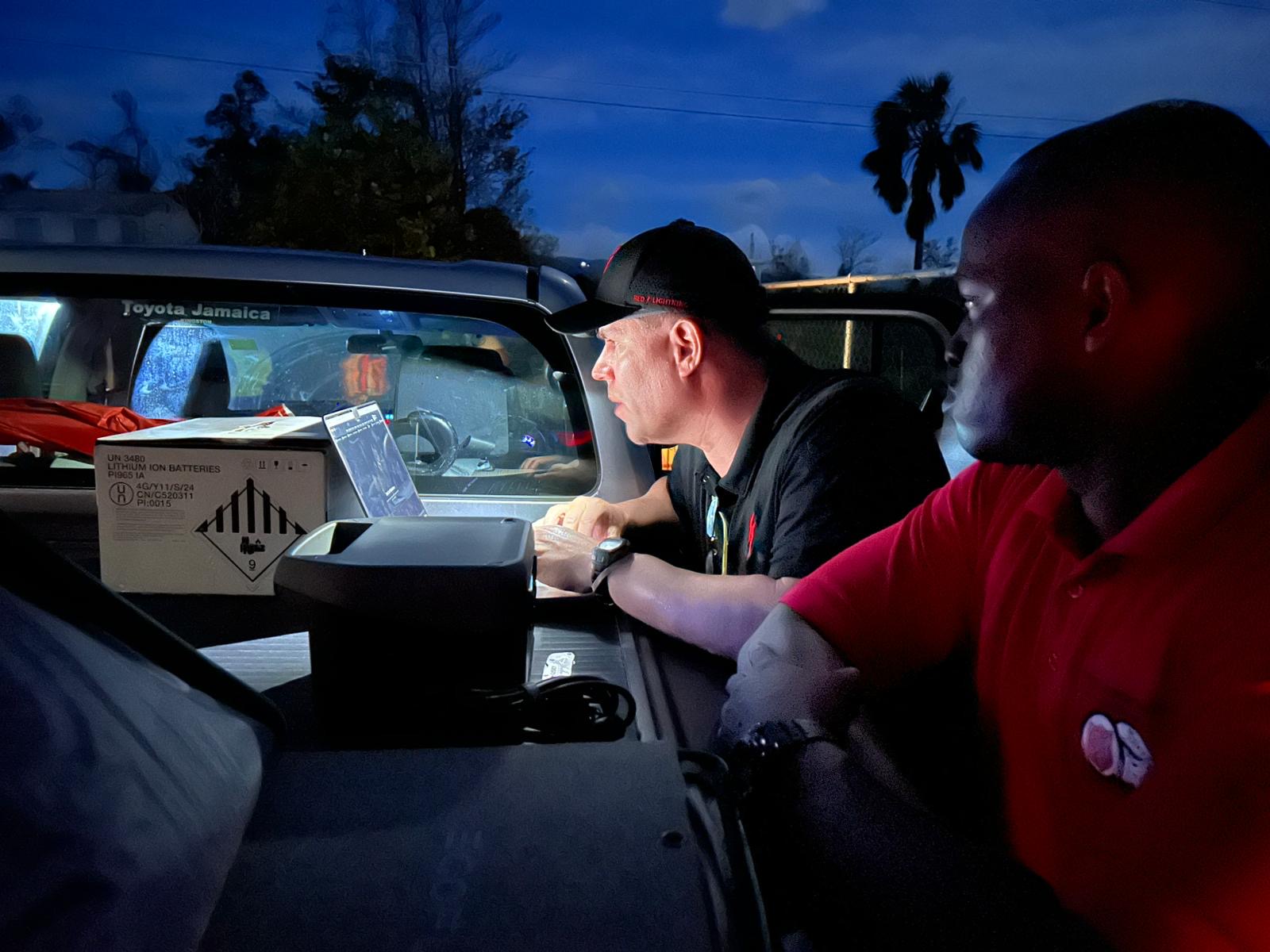
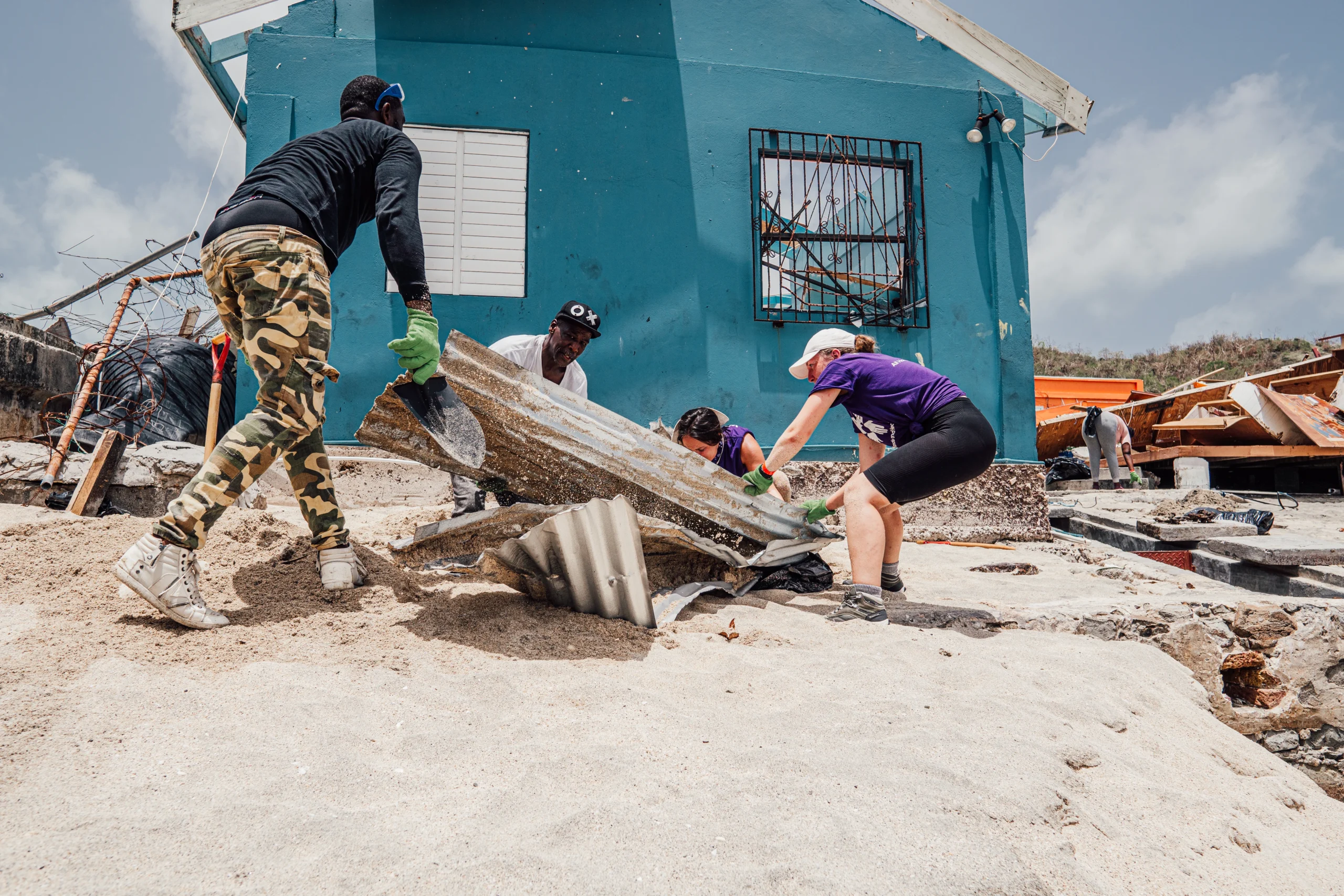


Taking lessons learned from Hurricane Beryl, where airfreight demand far outweighed capacity, Airlink has invested in preparedness programs, including pre-positioning supplies and capacity-building training. We saw the success of this at the onset of the Hurricane Melissa response, where critical supplies, including tents and clean water supplies that were prepositioned in Barbados, were able to be quickly deployed to Jamaica immediately after the storm. This shipment would have otherwise taken at least two weeks to arrive, and far too late to address the urgent needs of communities.
Airlink is built to overcome the challenges the humanitarian sector is facing: aid budget cuts, shrinking capacity, and higher demands. Airlink’s model exists for moments when resources are stretched, allowing partners to redirect funds from transportation to medical, hygiene, and shelter supplies, which means more lives are impacted.
Next Steps: How can you be part of this?
Whether you are a nonprofit organization preparing to respond to a disaster, or a donor who wants to maximize their humanitarian impact, there are ways to partner with Airlink:
- Nonprofit and humanitarian partners: Engage with Airlink and regional partners before the season. Ask how we can support, preposition, or ready for the next storm with you.
- Donors: Sponsor a Responder to help fund flights that get skilled humanitarians where they are needed most.
- Airlines: Invite us to the table to discuss formal agreements; to assess guard rails, capabilities, triggers, and alignments we can plan around in advance of a hurricane. According to our 2026 Study in coordination with CHORD and the Conrad N. Hilton Foundation, formal MOUs in place before a disaster greatly increase capability in humanitarian response.
Although the 2026 Atlantic Hurricane Season has been calm so far, Airlink has been working with partners over the past few months to preposition tents and hygiene materials that are ready for deployment. Looking at the forecast, we hope this season passes without any major storms—but nonetheless, we know communities will be counting on our powerful humanitarian network to respond to their urgent needs.
And Airlink ensures that the work is done before the storm hits, ready to help at a moment’s notice.
About the Author
As the Associate Director, Americas, Ashley Bustillo manages the Latin America and Caribbean and North America portfolios. In this role, she oversees Airlink’s emergency response activities across the Americas, including key initiatives that build logistics capacity and strengthen support for communities in crisis.
About Airlink
Airlink is a global humanitarian nonprofit organization delivering critical aid to communities in crisis by providing free or discounted airlift and logistical solutions to vetted nonprofit partners, changing how the humanitarian community responds to disasters worldwide. Its network includes over 250 humanitarian organizations and over 50 commercial and charter airlines. Since its inception in 2010, Airlink has flown 15,000 relief workers and transported 8,100 metric tons of humanitarian cargo, directly helping 75 million people impacted by disasters. Visit airlinkflight.org and follow us on LinkedIn, Threads, and Instagram.