
From Ad Hoc to Essential: A Growing Role for the Private Sector in Humanitarian Supply Chains
Authors
Valentina Muñoz-Bernal
Prof. Dr. Mojtaba Salem
Contributor
Prof. Dr. Maria Besiou
Executive Summary
An estimated 305 million people required humanitarian assistance in 2025, even as official donor funding continued to contract. Under these constraints, logistics — historically treated as an operational line item — are a determinant of whether responses happen at all, and transportation choices about modalities, providers, and financial arrangements shape delivery timelines, geographic reach, and operational risk. Yet evidence on when donated transport is used, how decisions are made on both sides of the partnership, and what effects these arrangements have on response capacity remains limited. This report provides empirical evidence on when these partnerships are activated, how they create value, and where they can be strengthened.
Findings draw on a mixed-method design: 26 key informant interviews, and 93 structured survey responses, conducted July 2025–March 2026, with case work on the Sudan conflict and Hurricane Beryl.
The survey evidence points to several patterns that shape the report’s analysis:
- For humanitarian actors, supply chain management consumes 74% of humanitarian response costs (Stumpf et al., 2023; transportation 9–14%).
- 95% of private-sector respondents have donated services since January 2024, and 84%indicate willingness to donate if requested — yet only 32% have a formal MOU or humanitarian engagement policy in place.
- There remain two gaps: a mismatch between service and scope — humanitarian demand for warehousing, customs brokerage, last-mile, and cold chain far exceeds private-sector provision.
The mechanism that converts this willingness into reliable response capacity is a small set of intermediary organizations — including government and multilateral logistics platforms, coordination bodies, collaborative platforms, and private–humanitarian intermediary organizations — that work at varying scales and modalities, serve different aspects of the humanitarian community, and operate across different geographies to broker, aggregate, or operate donated capacity on humanitarian partners’ behalf.

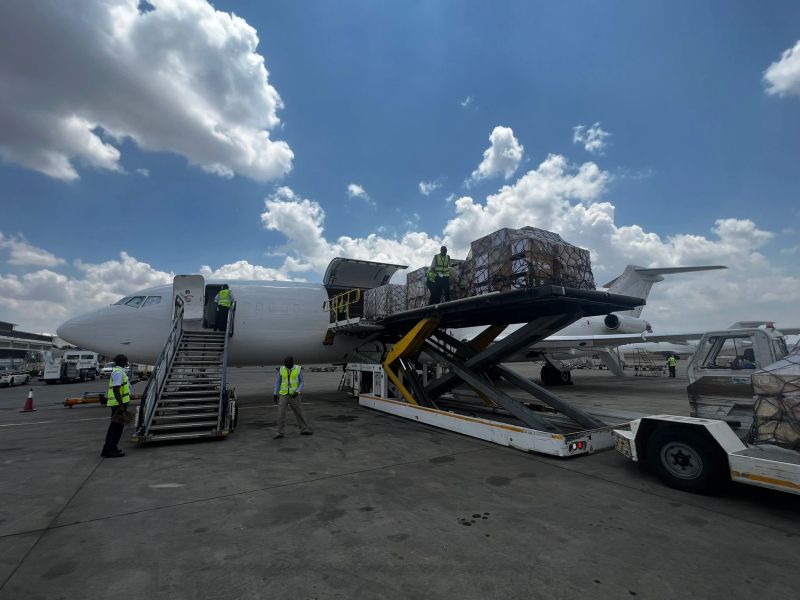
Key Findings
- Donated transport is chosen for operational reasons as much as for cost relief.
- Pre-crisis partnershipsdetermine response capacity.
- The humanitarian aid sector cannot yet measure the full impact of donated transport.
- Donated transport generates value well beyond cost relief, and that value is multi-dimensional.
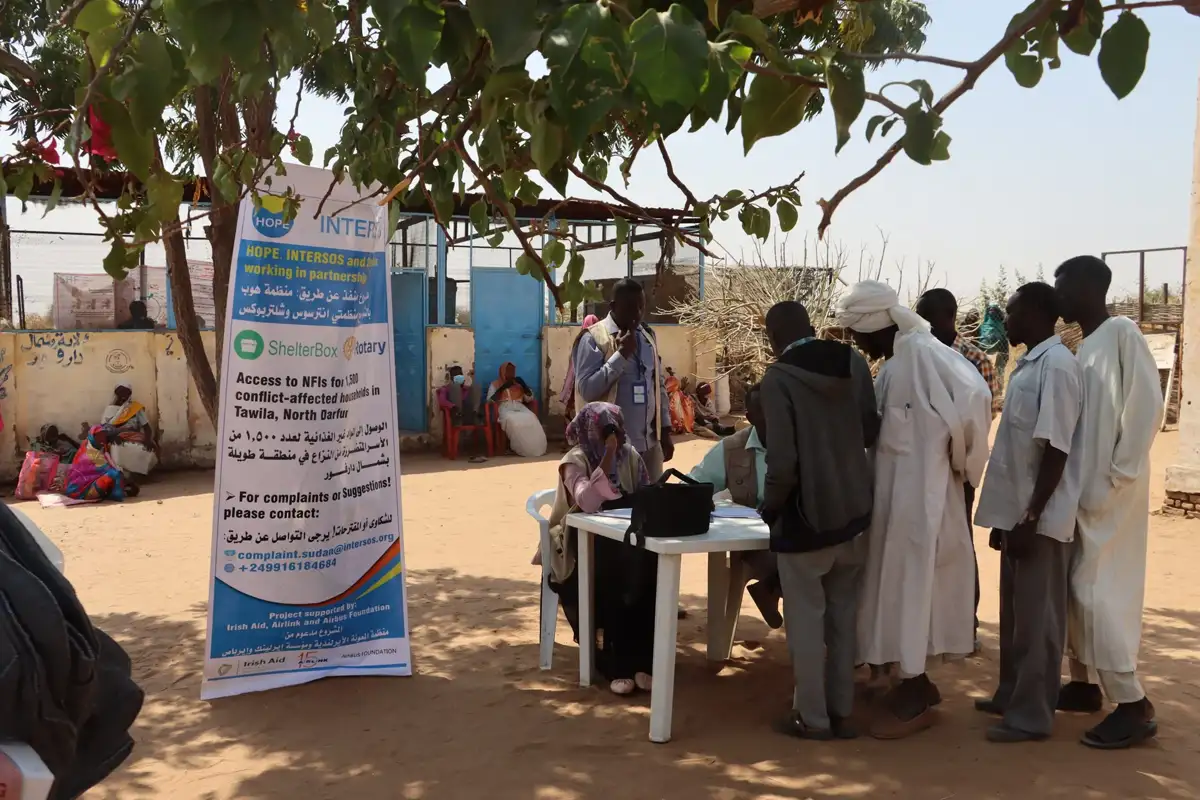
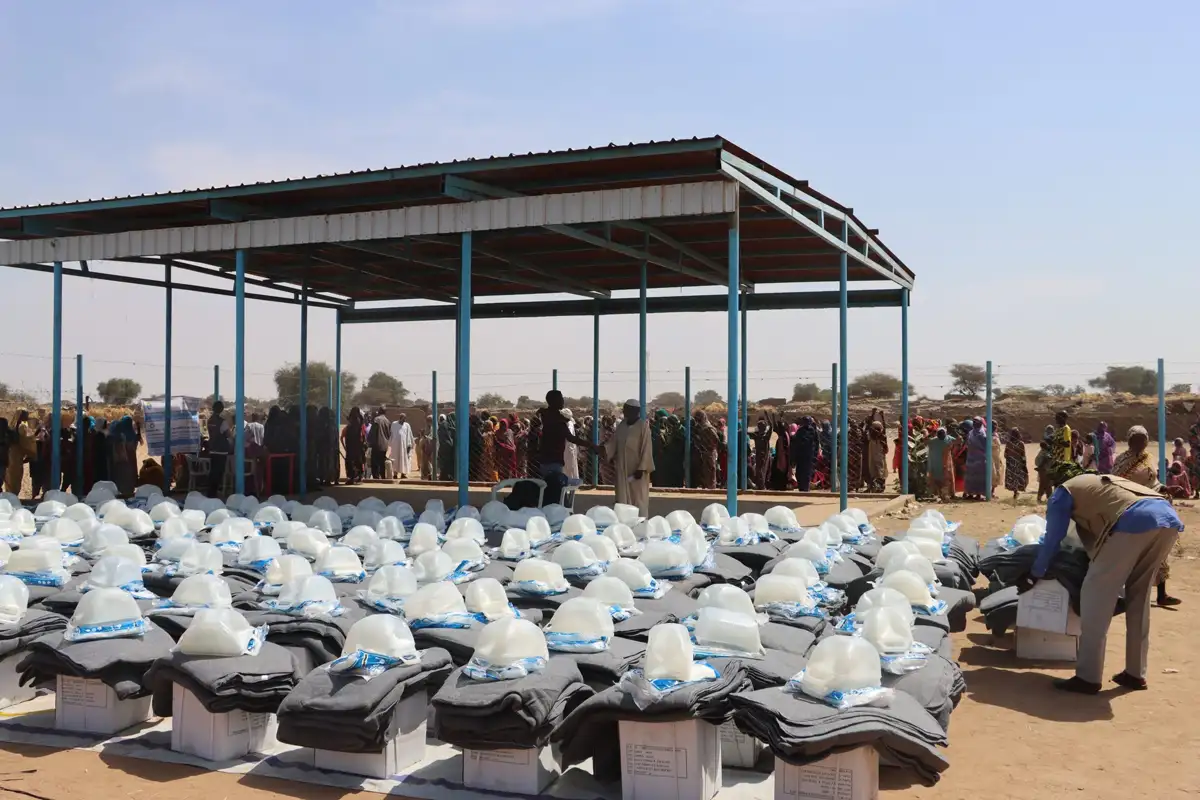
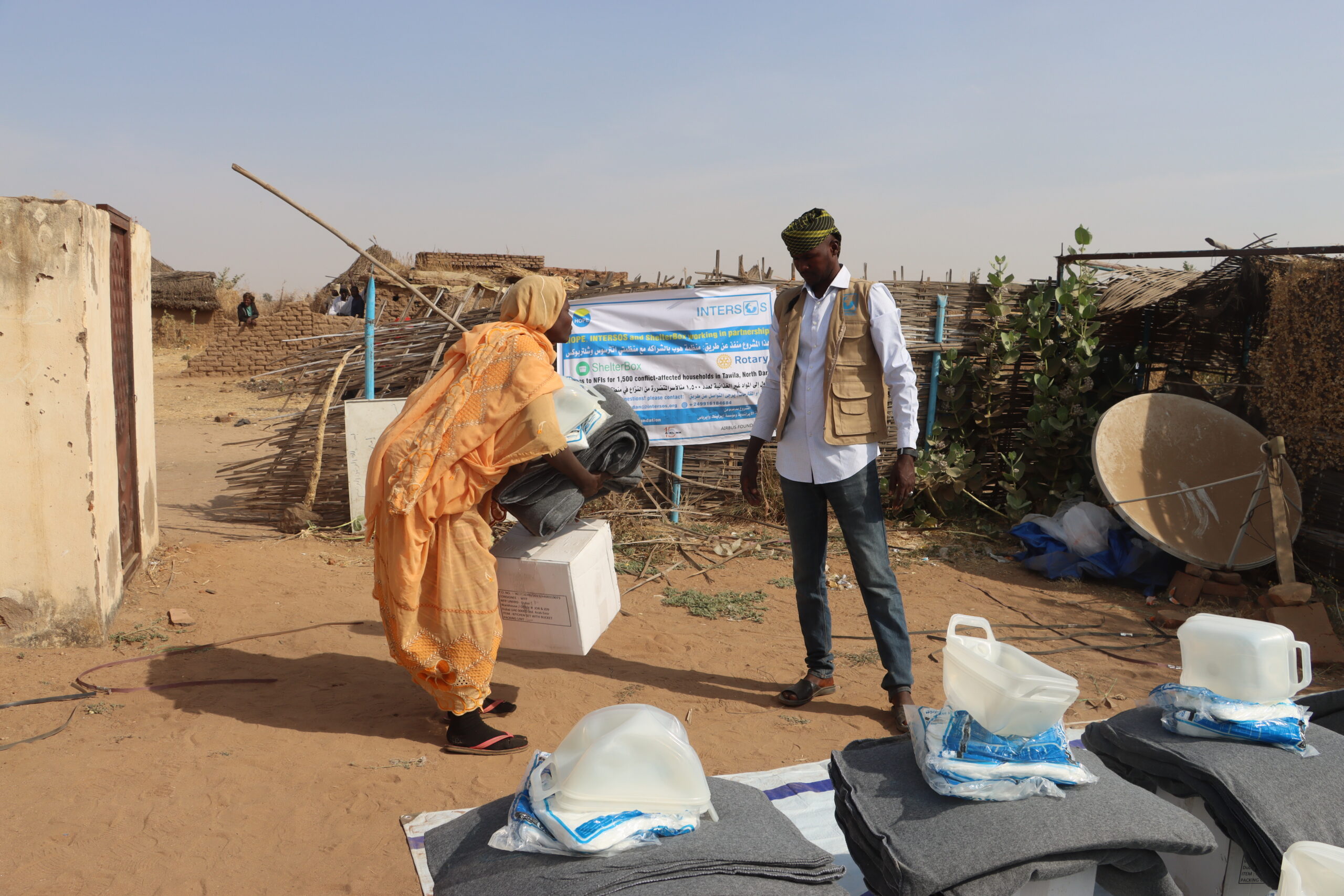
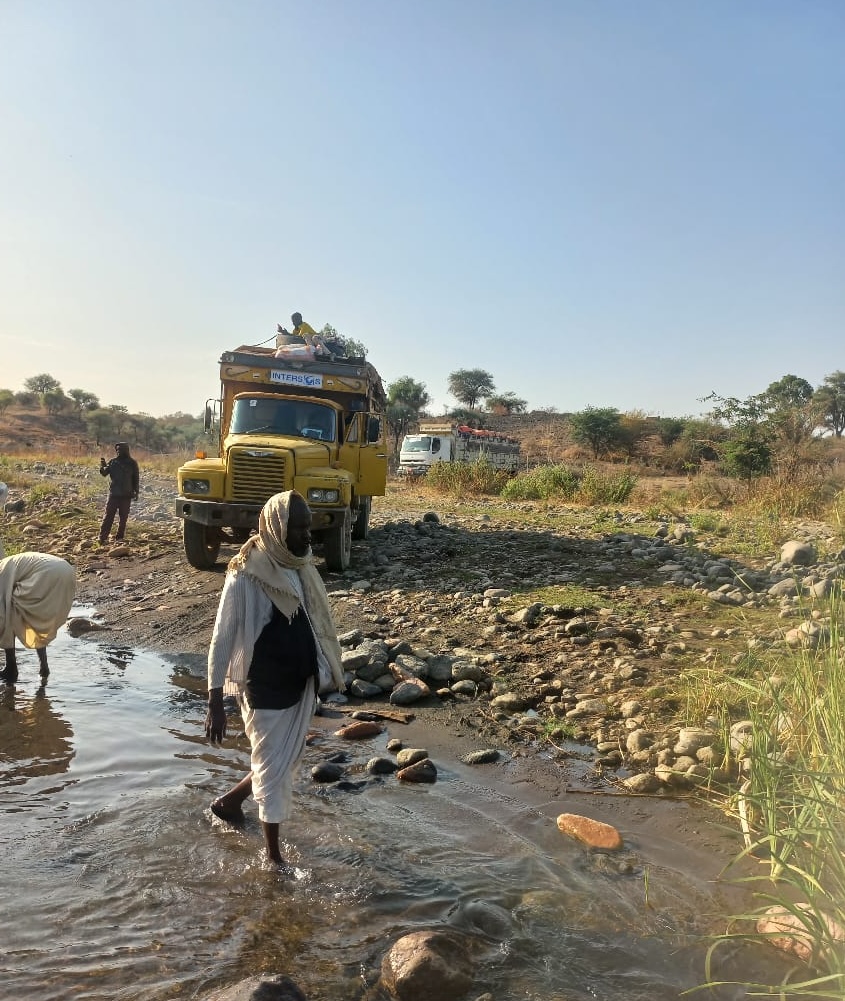
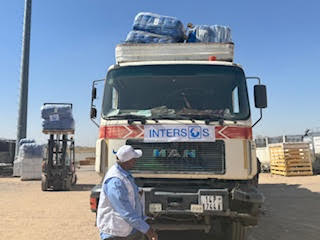
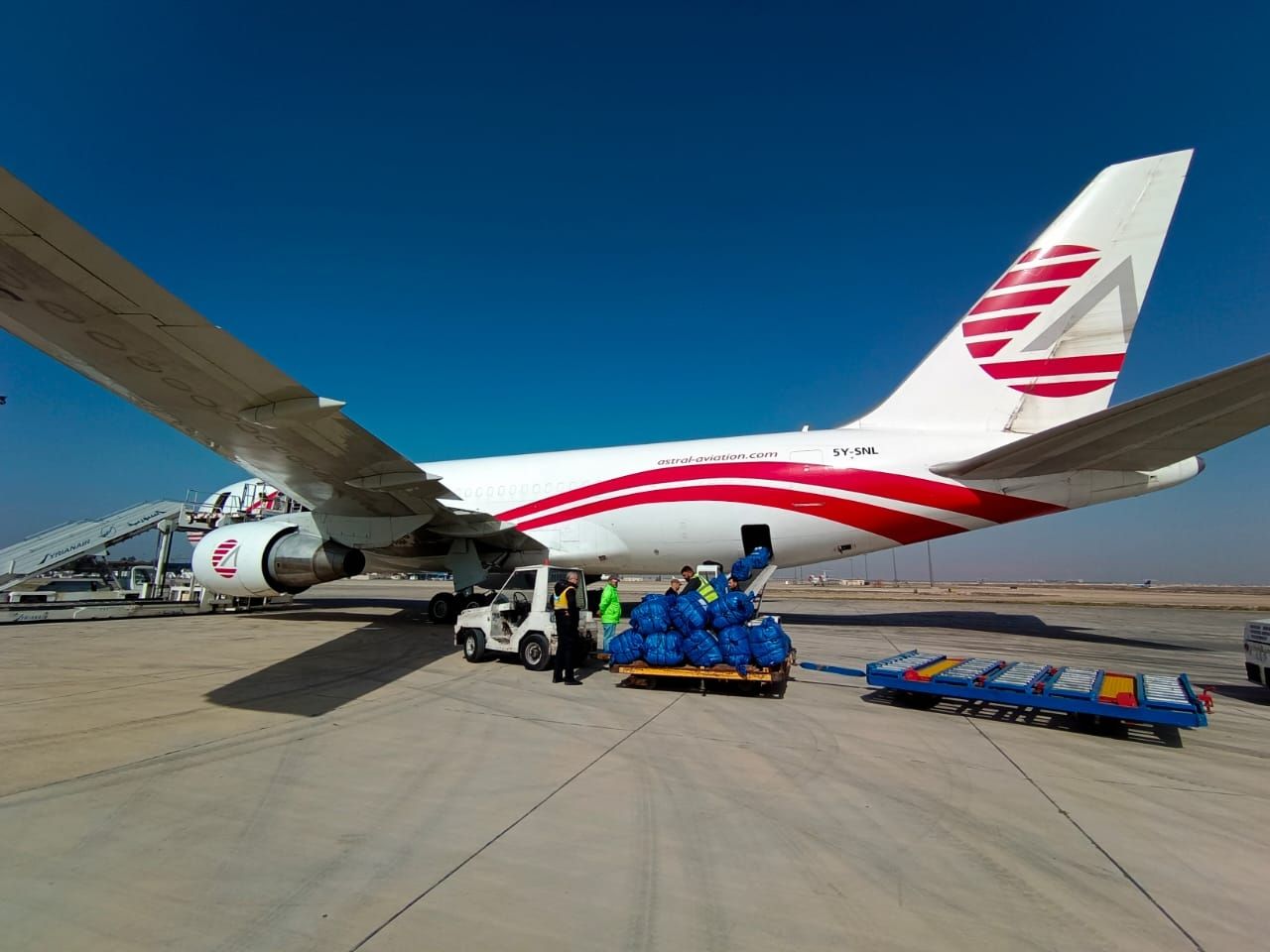
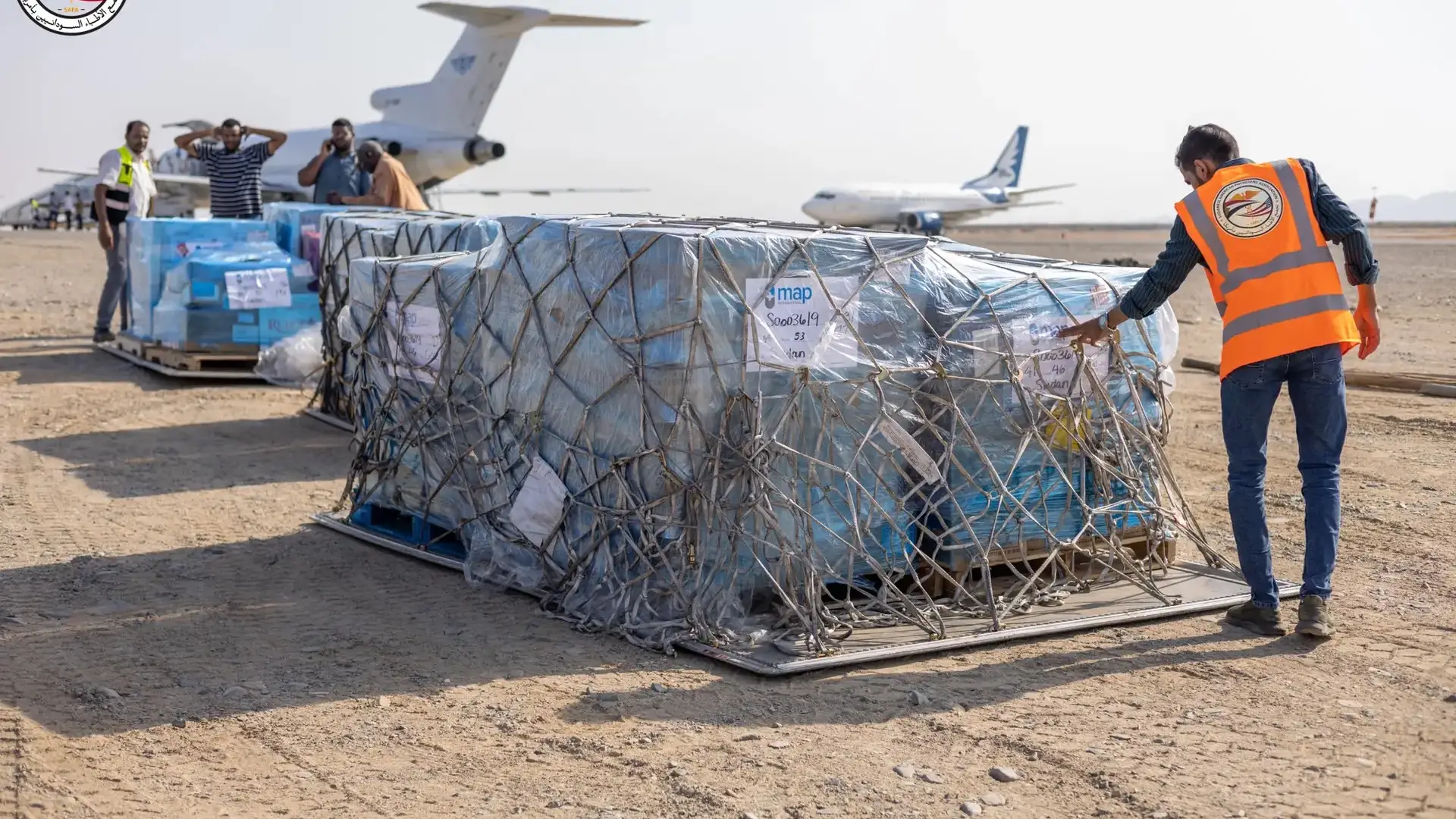
Context shapes which layer of value matters most: in Sudan, donated transport created access, substituted for depleted staff, and enabled last-mile delivery; following Hurricane Beryl, it primarily delivered cost relief for responding organizations and helped scale the response beyond what would have been possible without donated transportation.
The window to act on these opportunities is now. Three moves are required in parallel:
Private-sector partners: institutionalize humanitarian engagement through pre-agreed triggers, priority lanes, documentation that cut activation from weeks to hours, and robust partnership agreements that encompass all of these components.
Humanitarian service providers and coordination platforms: coordinate pre-crisis demand–capacity matching, maintain shared situational awareness, and embed after-action learning into playbooks.
Philanthropic and donor agencies: resource logistics as an enabling function with flexible surge lines, and fund the coordination capacity and evidence base that determine which models deliver under which conditions.
Without these moves in tandem, the goodwill and capacity documented in the full study will remain stranded; with them, donated transport can become the reliable backbone of a humanitarian response system being asked to do more with less.
About CHORD
The Center for Humanitarian Logistics and Regional Development (CHORD) is a joint venture of Kühne Logistics University (KLU) and HELP Logistics of the Kühne Foundation. CHORD aims to bring together the best of two worlds by combining top-class academic research and education with operational training and consulting excellence. As a thought-leading hub, CHORD delivers innovative logistics and supply chain solutions validated by rigorous research methods to improve social and economic progress in developing countries. www.klu.org/chord.
About Airlink
This report was commissioned by and developed in collaboration with humanitarian nonprofit, Airlink, and funded by the Conrad N. Hilton Foundation. Airlink is a global humanitarian organization that connects the aviation and humanitarian sectors and multiplies their life-saving impact—building efficient logistics solutions that accelerate disaster response, reduce costs, and equip communities with the right aid to recover quickly. Using the power of aviation as a force for good, Airlink creates aid access for even the hardest-to-reach communities. airlinkflight.org.