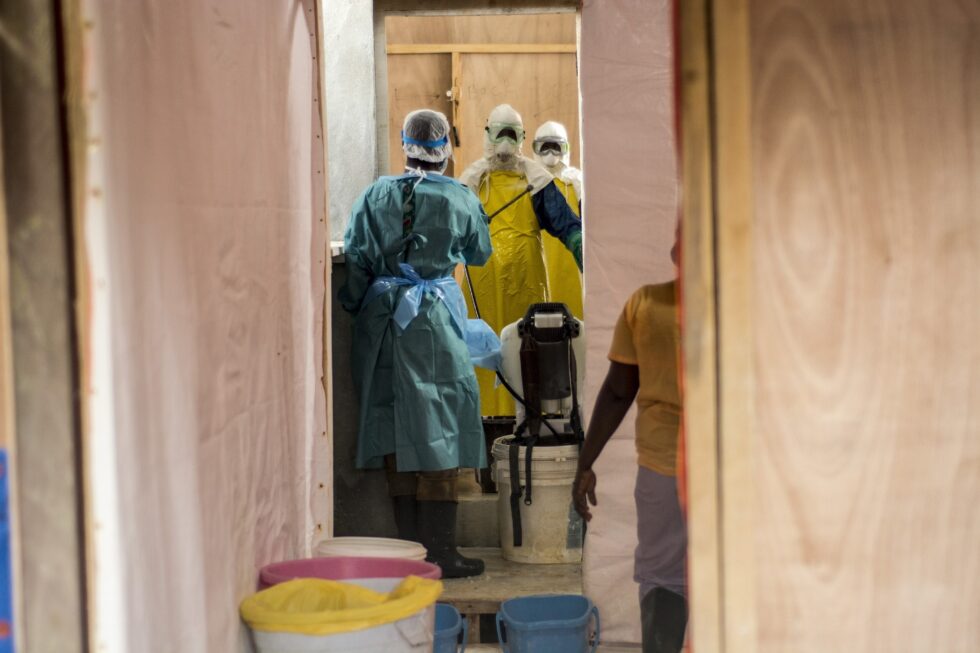
Vanuatu Earthquake

Closed
2024
Asia & the Pacific

Disaster Response. Step One. Get There.

Situation Overview

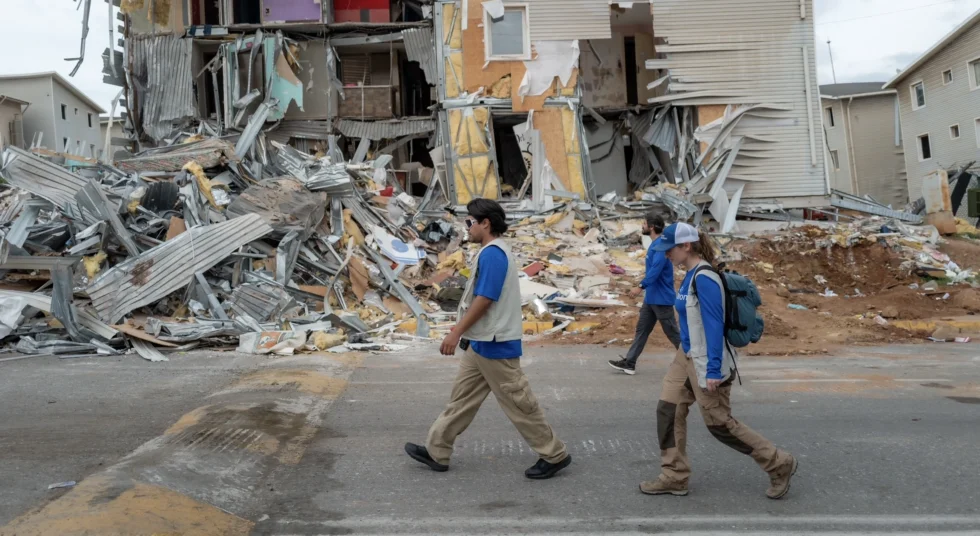
On December 17, a powerful magnitude 7.3 earthquake struck just offshore from Vanuatu’s capital city, Port Vila, triggering two aftershocks. The earthquake has left at least 12 confirmed deaths and over 200 people injured. The affected population is estimated at 80,000, and the government declared a state of emergency, effective for seven days. As of now, 1,154 people have been displaced, with the majority belonging to vulnerable groups. Many evacuees are staying with host households or in evacuation centers, with reports of some households sheltering up to 70 people.

Currently, search-and-rescue efforts and medical assistance are primarily coming from bilateral aid within the first seven days, but NGOs are expected to play a larger role during the recovery phase. The restoration of power to essential services, such as clinics and retail shops, as well as the re-establishment of network and communication services, will be crucial in the coming days.

Airlink’s Role: Overcoming Logistical Hurdles For NGOs

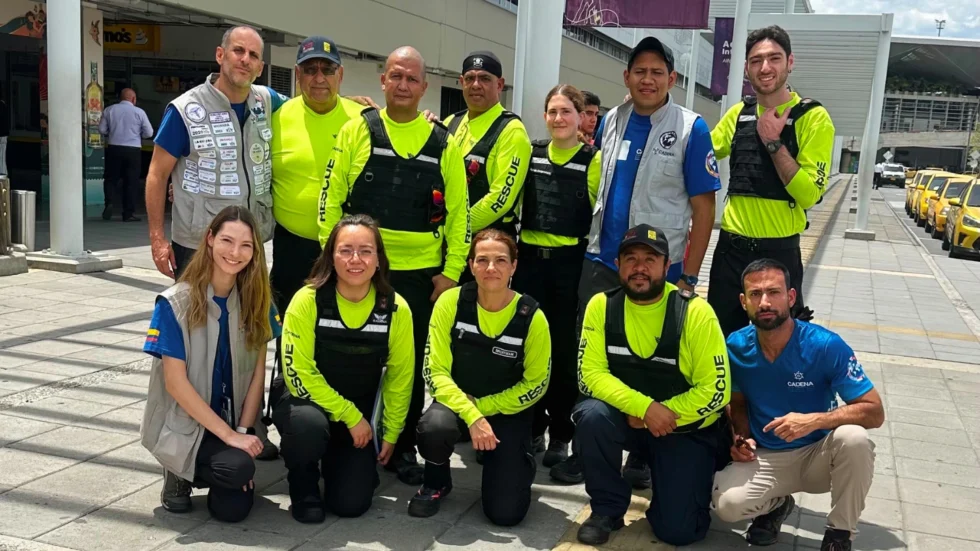
With significant disruption to communications, Airlink is working closely with NGO affiliates and partners already positioned in the South Pacific nation, to gather information and respond to the urgent needs of the communities on the island. Hundreds are currently displaced, and responders are rescuing people who were trapped. Requests for assistance through the UN have been made, and a state of emergency has been declared.

Airlink is coordinating with NGO and airline partners to get adequate supplies transported to the epicenter and surrounding affected areas. 

You Can Help

Your donation is vital in ensuring a timely and effective response.Every contribution makes a difference—please consider donating today to support communities in crisis and help us deliver the right aid to the right place at the right time.
Humanitarian Needs

Immediate needs are critical, including healthcare, shelter, food, water, and the restoration of communication and electricity services. Key priorities include the provision of medical supplies and repairs to damaged medical facilities, mobile emergency medical teams, and search-and-rescue teams with heavy machinery to clear landslides and collapsed buildings. Access to safe drinking water is also a priority, along with the distribution of jerry cans.

Recent Responses

No results found.