
When conflict in the Middle East erupted in early 2026, nonprofits faced a new crisis: closed airports and borders. Airlink stepped up.
By: Yasmine Eldaief
The humanitarian aid supply chain is much like any other, except that this one determines people’s access to dignifying and life-saving aid. It must be reliable to be successful, requiring stable airspace and airfreight capacity, functioning ports, streamlined customs processes, and secure overland routes. Geopolitical tensions put strain on that efficiency.
Over the past month, escalating tensions between Iran and the United States have added another layer of uncertainty to an already fragile global humanitarian system. According to World Food Program reports, the ongoing airspace and sea corridor closures have caused the “most significant” supply chain disruption since COVID-19 and the start of the Ukraine war, effectively reshaping how and when aid reaches communities most in need around the world.
Most humanitarian programs Airlink manages require our team to work through closures of airspace, seaports, and border entry points at any given time. Parts of Palestine, Yemen, Afghanistan, Sudan, Lebanon, and Syria are further destabilized by the delay or rerouting of humanitarian aid.
Additionally, Airlink’s nonprofit partners are facing increased roadblocks in supply procurement amid shortages and port closures and even blocked aid distribution caused by closed borders and inaccessible warehouses. Ultimately, communities—families, children, refugees—across the world are the first to feel the effects of these impediments.
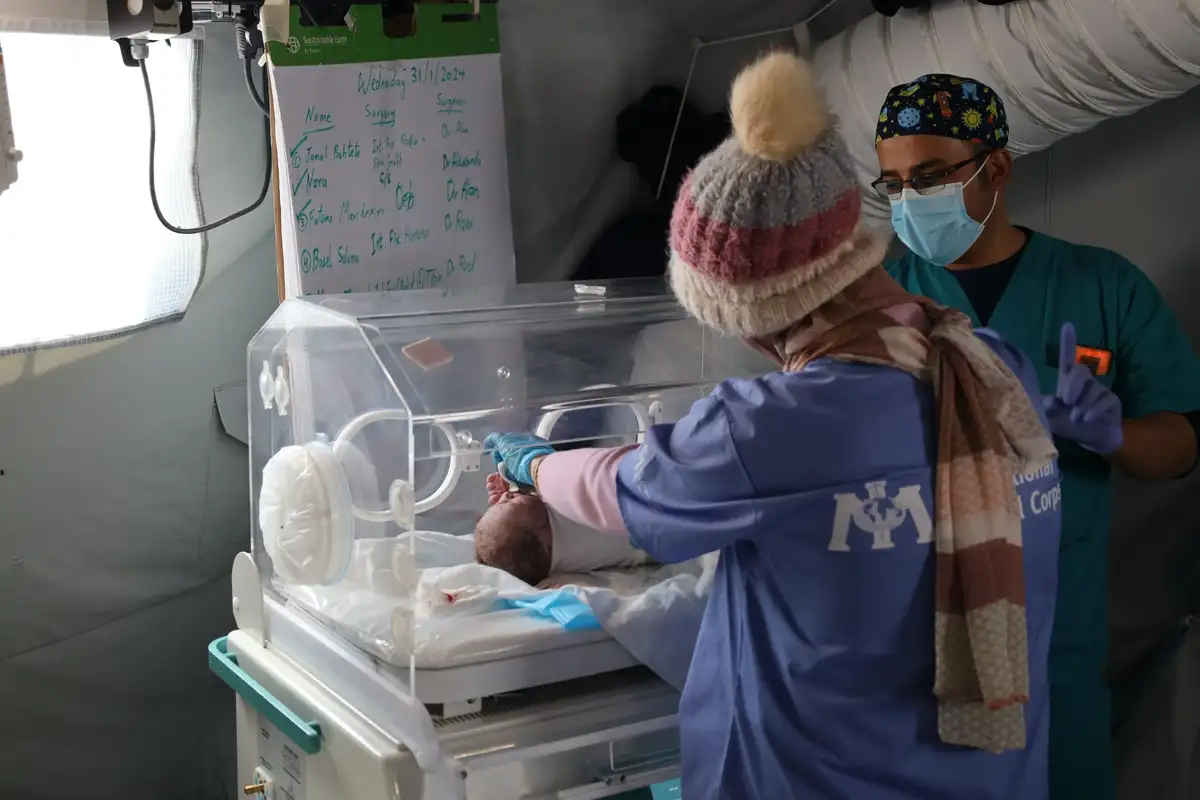
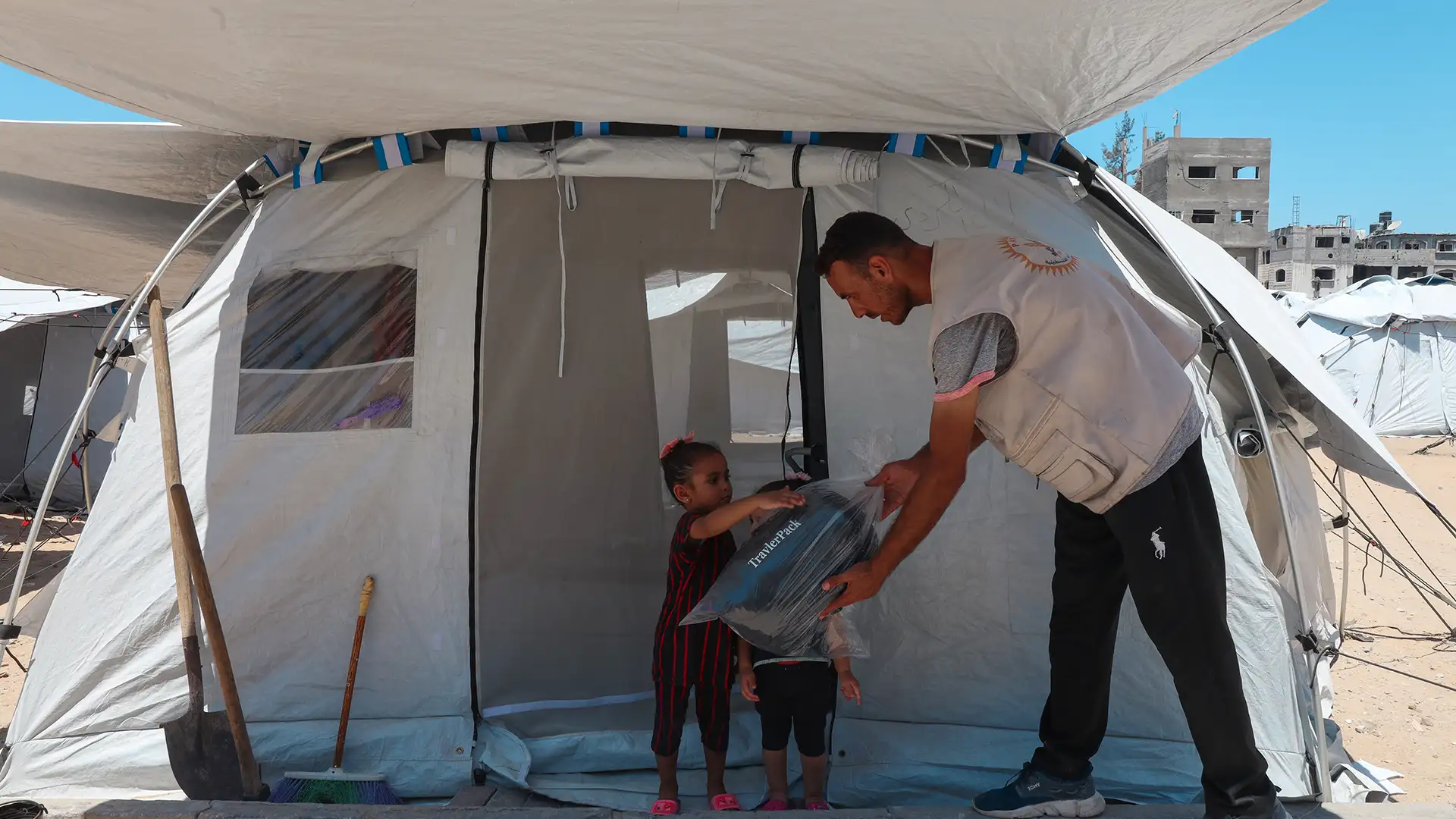
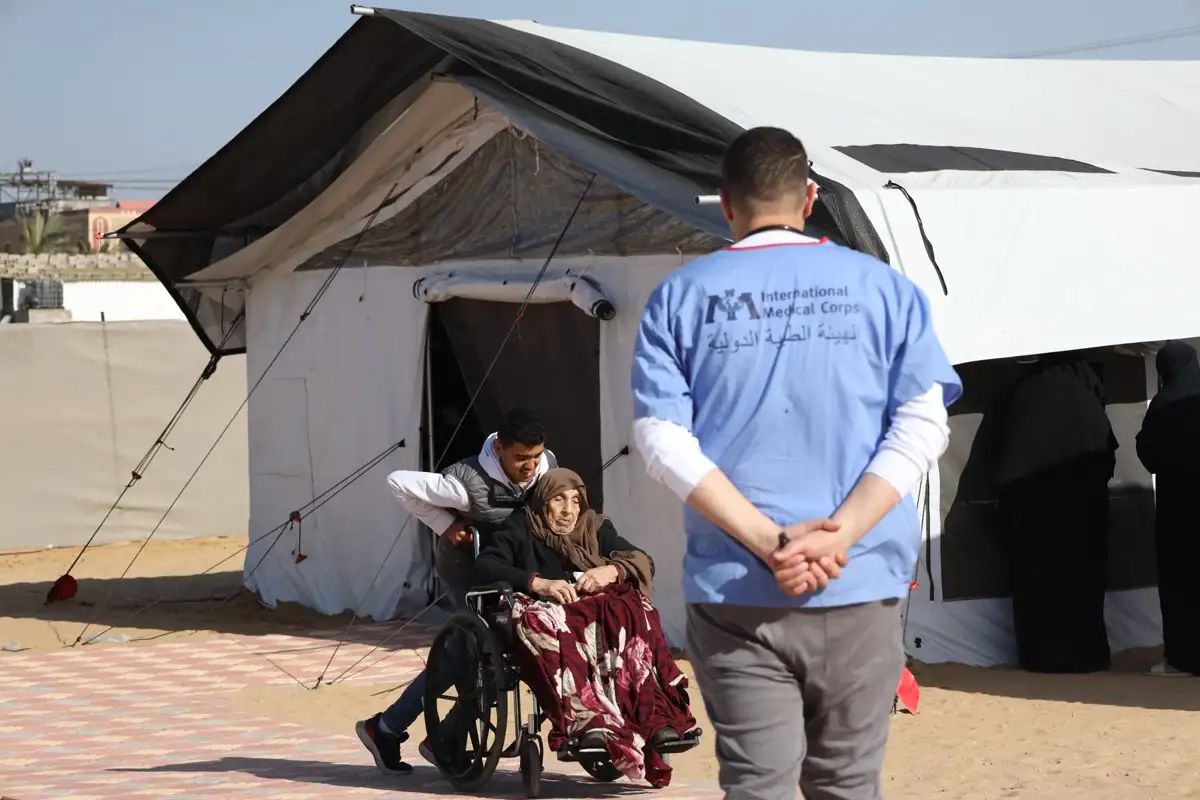
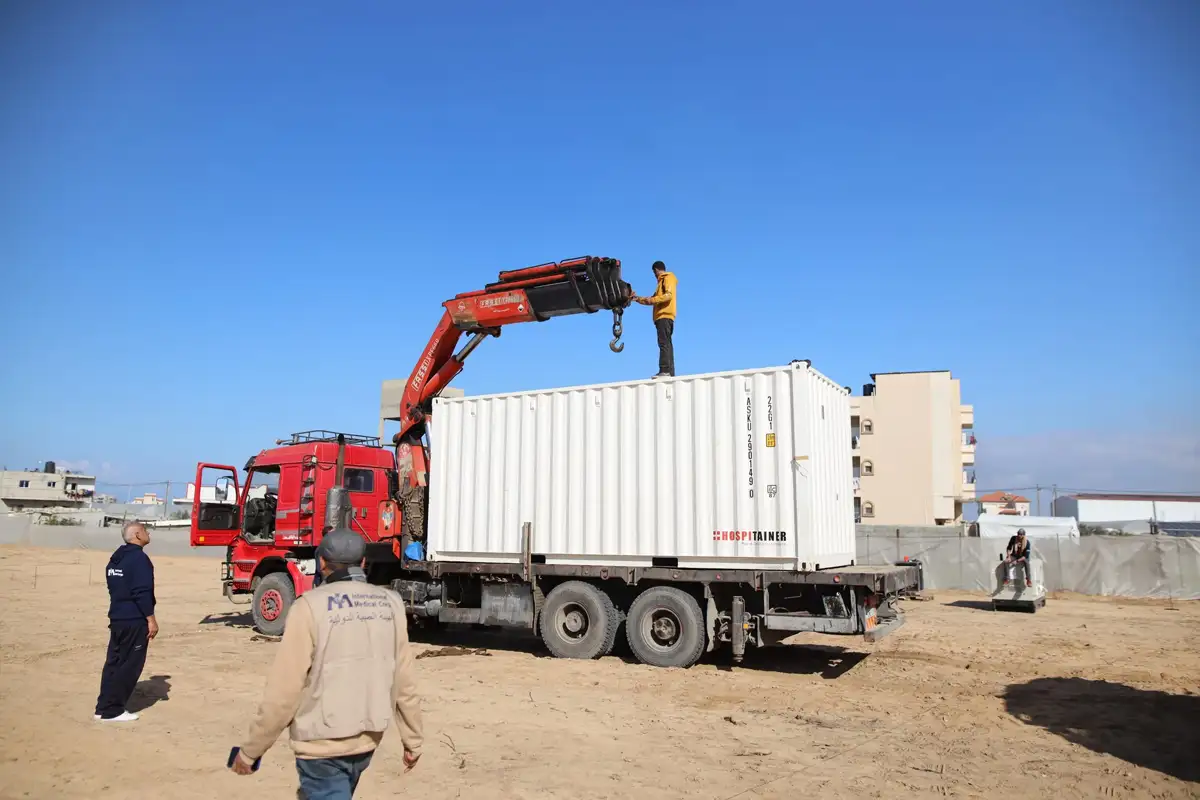
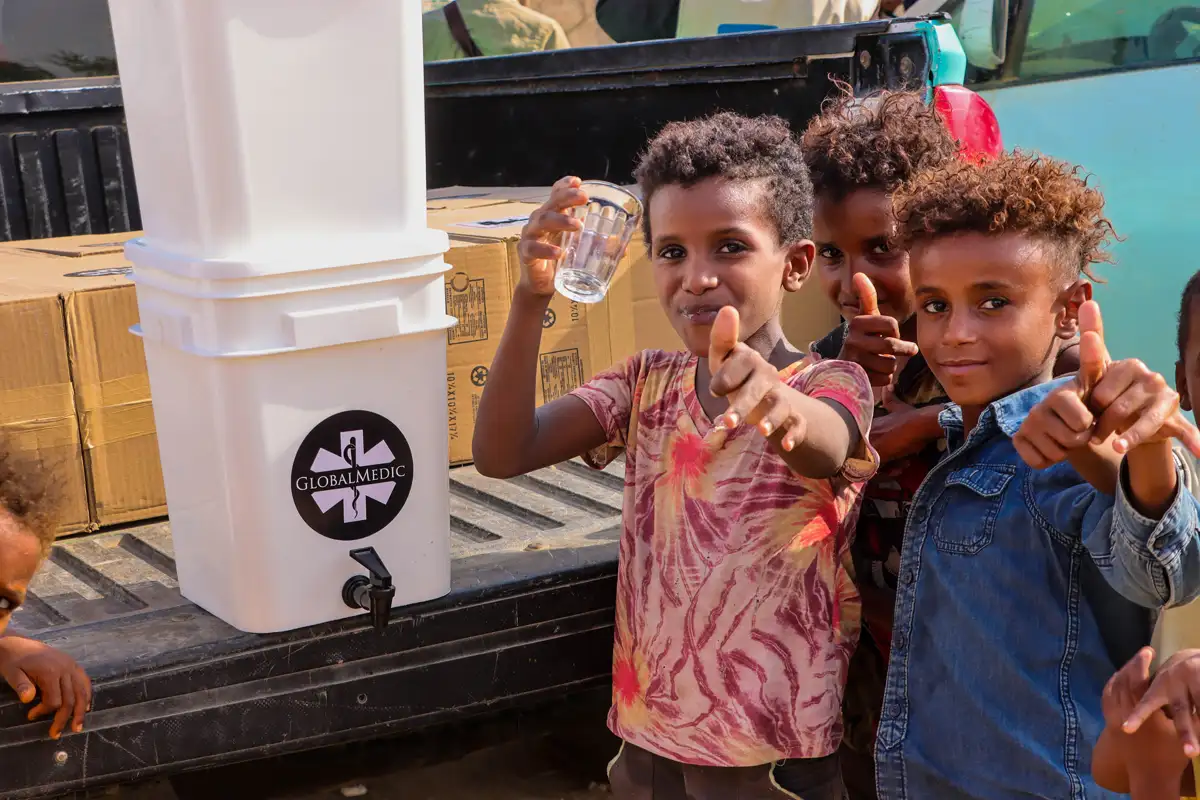


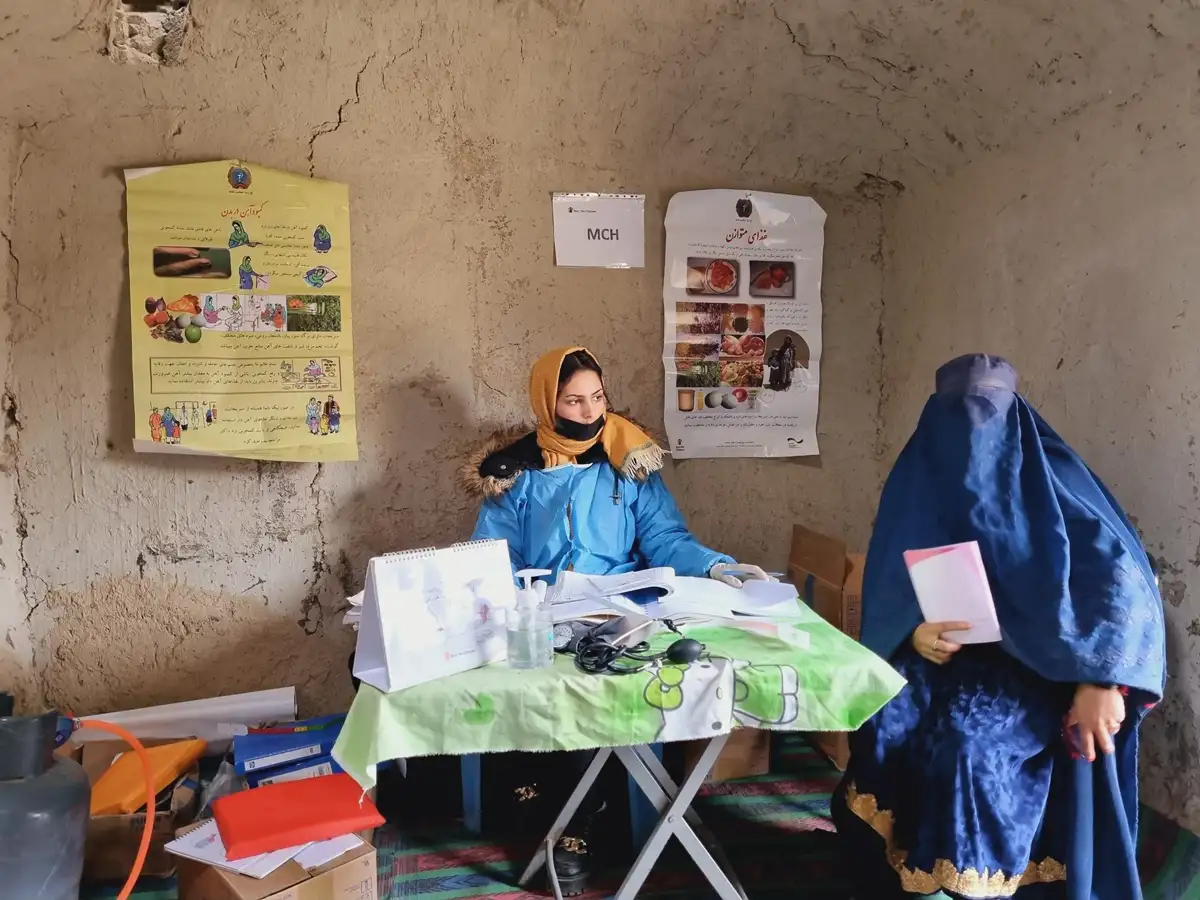
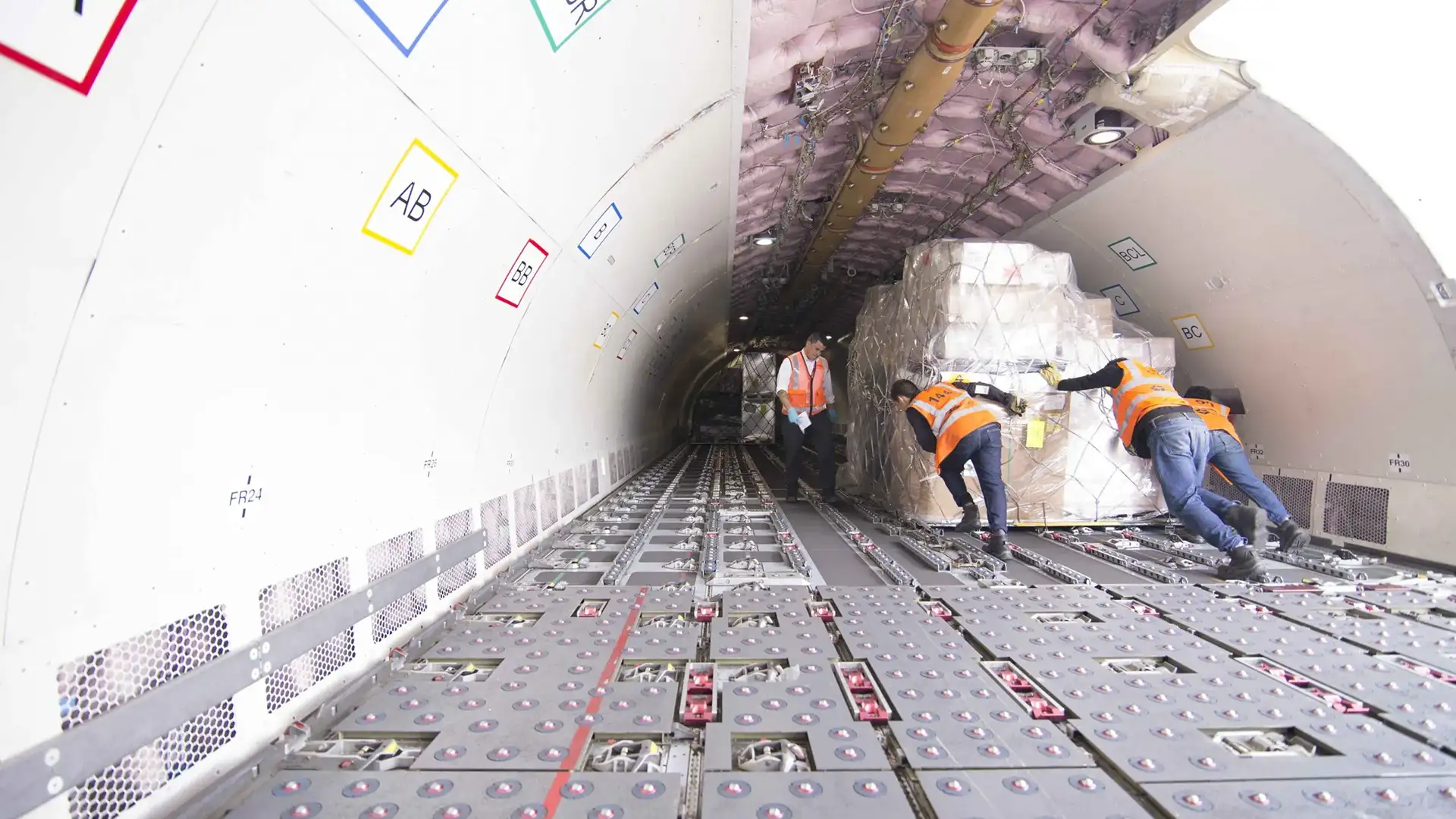
This is where the scope and resilience of Airlink’s humanitarian and logistics networks, and our commitment to contingency planning with our partners, comes into play. When certain airports close or airlines stop flying, Airlink works with our logistics and airline partners to identify alternative transport methods on diverse aid routes and strengthen coordination with regional humanitarian networks.
For example, a shipment of life-saving Ready-to-Eat Therapeutic Foods destined for Gaza was originally scheduled to be airlifted from the U.S. to Liege, Belgium, flown on a charter flight from Liege to Tel Aviv, Israel, and then trucked into Gaza. When the most recent conflict erupted in February, the airspace over Tel Aviv closed, rendering the original concept of operations null and void. But our team quickly pivoted and designed a new solution. Instead, the same shipment was trucked from Liege, Belgium, to Thessaloniki, Greece, then ferried to Limassol, Cyprus, and will be sent via sea freight to Ashdod, Israel, where local partners will collect and truck the supplies into Gaza.
While this alternative concept was more complex, it ensures that urgently needed nutrition will reach children living through ongoing violence and food insecurity. In volatile, rapidly changing contexts like this, the urgency of getting this aid to Palestinians in Gaza only grows more critical, spurring the team to constantly build new solutions because Airlink exists to overcome hurdles that otherwise prevent communities from accessing relief.
At the heart of Airlink’s ability to quickly and creatively design logistical solutions that unblock the humanitarian supply chain are our solutions-oriented partnerships. No single organization can navigate these complexities alone. Collaboration across humanitarians, logistics providers, and coordinating bodies – like the Logistics Cluster activated by the Inter-Agency Standing Committee in the wake of a disaster – enables us to share information and establish contingency plans that work, for as long as they work. Cross-sector collaboration is necessary to rework transportation solutions that, in the face of force majeure events, inevitably have shorter shelf lives. Airlink’s role is to have another solution ready if and when one expires – this is the level of work needed to overcome complexities in the humanitarian supply chain.
Moments of uncertainty like this are a reminder of all that must go into serving the underserved and providing dignified and sustained humanitarian assistance. People already living in vulnerable conditions feel these disruptions deeply. The ongoing conflict continues to have global ramifications, leaving hundreds of thousands of people around the world without reliable and price-stable access to food, shelter, and medical treatment.
Circumstances change and predictability is not promised, reaffirming the importance of adaptability in humanitarian logistics – adaptability that opens pathways to provide relief, and reinstate something equally powerful: hope. Every contingency plan we develop reflects a single goal: to ensure that assistance continues to reach all who depend on it.
About the Author
As the Humanitarian Programs Manager for Middle East & North Africa, Yasmine Eldaief leads Airlink’s emergency response efforts within the region, designing logistics solutions and managing regional partnership network to overcome some of the region’s most complex transportation challenges.
About Airlink
Airlink is a global humanitarian nonprofit organization delivering critical aid to communities in crisis by providing free or discounted airlift and logistical solutions to vetted nonprofit partners, changing how the humanitarian community responds to disasters worldwide. Its network includes over 250 aid organizations and over 50 commercial and charter airlines. Since its inception in 2010, Airlink has flown 15,000 relief workers and transported over 8,000 metric tons of humanitarian cargo, directly helping 75+ million people impacted by natural and man-made disasters. For more information, visit airlinkflight.org and follow us on LinkedIn and Instagram.