
The conflict in Sudan and subsequent aid crisis is entering year four with more than 33 million people in need of humanitarian assistance. Learn how Airlink is helping organizations reach them.
Three years since the Sudanese Armed Forces and the Rapid Support Forces plunged Sudan into civil war, the country has become home to the most catastrophic humanitarian emergency. Two-thirds of the entire population, some 33 million people, now require humanitarian assistance. Over 19 million face acute food insecurity, while 15 million people have fled their homes in what is simultaneously the world’s largest displacement and hunger crisis. Amidst these crises, upwards of 80% of health facilities in conflict affected areas are non-functional; the remaining health clinics are often overwhelmed, strapped for supplies and essential medicines, and supported by aid organizations navigating complex importation and logistics to resource and staff them. As fighting continues, the cost and complexity of delivering critically needed food, medicine, shelter, and other humanitarian supplies have become insurmountable for many nonprofits.
Organizations are facing several compounding challenges in delivering life-saving aid to Sudan due to limited access, high costs, and chronic underfunding. The closure of Khartoum International Airport at the start of the war, which once served as the country’s primary air cargo gateway, has left Port Sudan International Airport as Sudan’s sole functioning international entry point for relief supplies— only accessible through a limited number of international origins and served by a thin roster of air carriers. Importing items by sea, especially medicines requiring strict temperature control, brings its own set of challenges due to ongoing uncertainty of Red Sea shipping lanes and conflict in the Middle East, which has disrupted global container flows. These realities not only make access difficult but also make the cost of importing life-saving relief supplies unaffordable, with rates upwards of 70% higher than in pre-conflict times.
Access to Port Sudan alone does not solve the logistics puzzle. Large parts of the country including Darfur where some of the direst needs exist, are still largely inaccessible through this channel due to active fighting. To overcome this, organizations established N’Djamena, Chad, as a critical staging hub before humanitarian aid makes the 1,000 km journey to Sudan. However, airfreight rates into N’Djamena have also surged to levels most nonprofit budgets simply cannot absorb, and the onward corridor to Darfur is expensive, complex, volatile, and limited in transport options for cold chain shipments, such as medicines and vaccines.
On top of all of this, aid organizations remain chronically underfunded. In 2025, Sudan received just 40% of its funding requirements, and organizations are struggling to find resources to cover the high costs of logistics and transportation, while also managing reduced headcounts for logistics and supply chain staff. As a result, organizations are using Airlink’s free airlift and logistics solutions as a lifeline.
Despite these barriers, Airlink has remained steadfast in making the impossible possible for its partners by delivering over 590 MT of medical supplies, medicines, food aid, shelter, and WASH materials since 2023 through three key logistics models:
- Combining Donated Cargo Capacity with Paid Airlift: Through its partnerships with commercial airlines, Airlink is leveraging donated airfreight to send aid from North America and Asia to strategic hubs, such as Liège, Belgium, and Dubai, UAE. This model allows Airlink to move aid to intermediate airports where the onward cost of transportation is the lowest on the market, followed by air transportation directly to communities paid for by Airlink.
- Consolidated Relief Flights: By consolidating ready-to-go relief shipments from multiple organizations into a dedicated charter flight, Airlink drastically reduces the cost of airfreight to destinations such as N’Djamena or Port Sudan, allowing them to support more partners.
- Multi-Modal Solutions: Through its deep bench of freight-forwarding partners, Airlink delivers urgently needed aid directly to Darfur through an end-to-end logistics model that combines free airlift into N’Djamena, Chad with onward cross border road transportation to Sudan, while helping partners navigate complex customs and border crossing procedures. This support includes temperature-controlled trucking, which is extremely limited on this route.
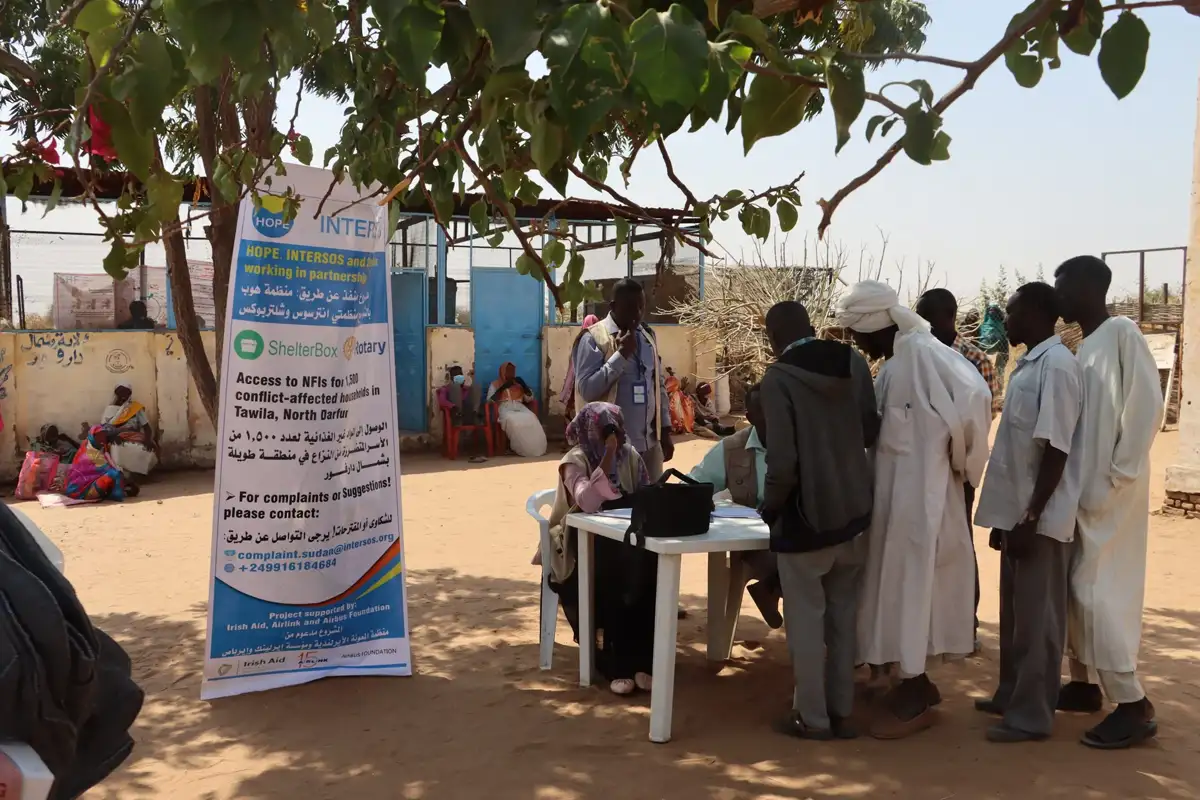
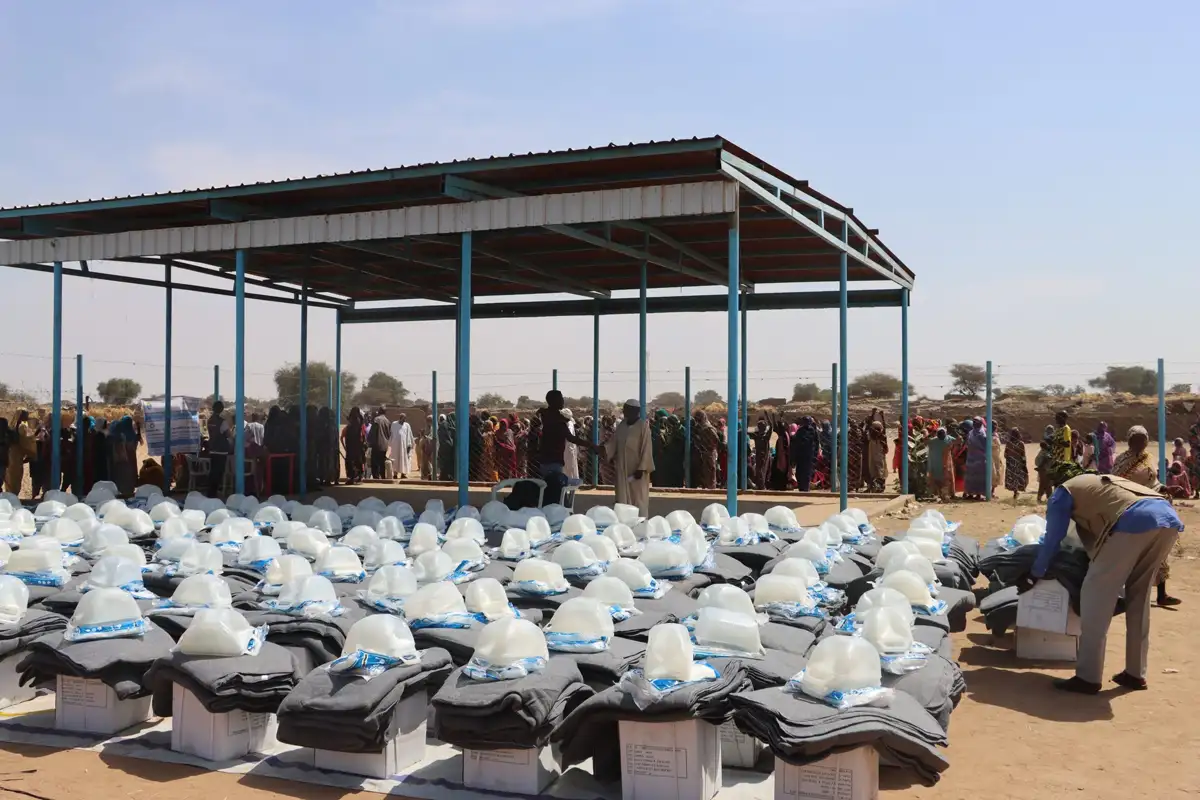
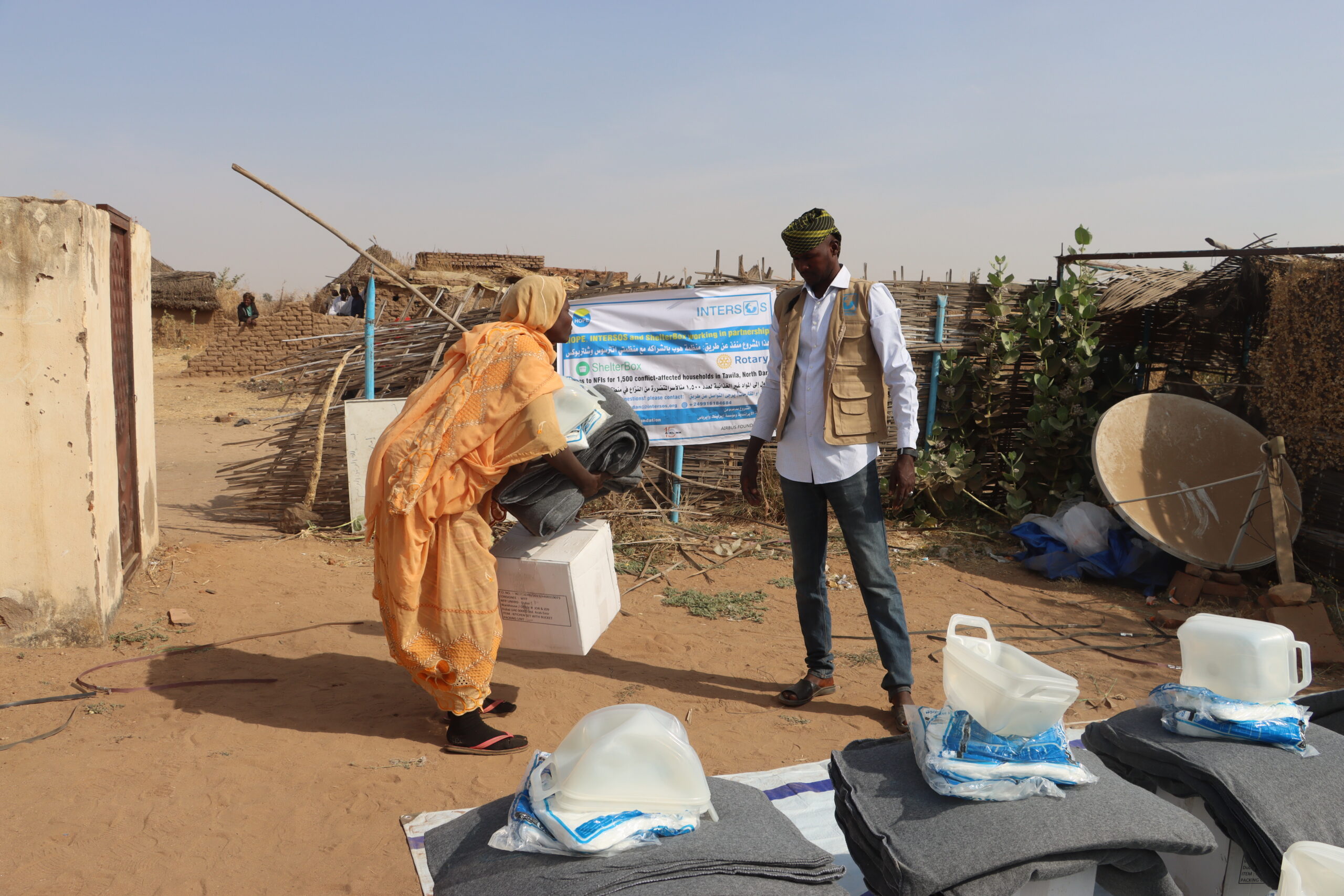
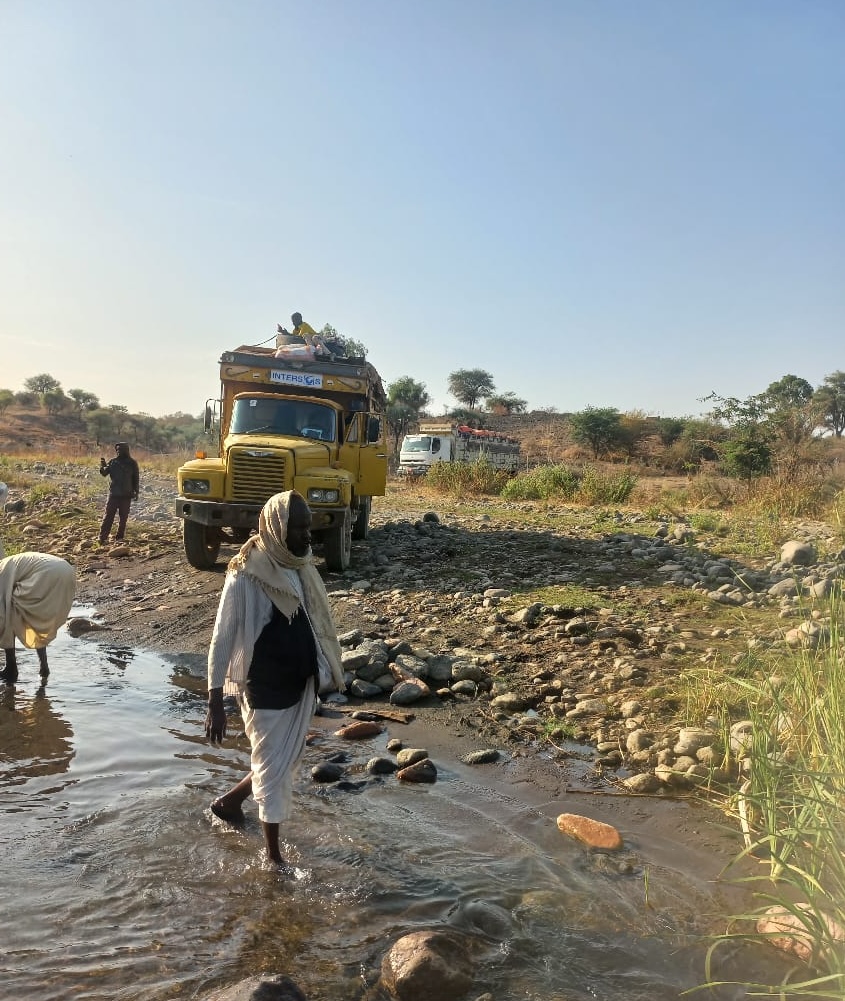
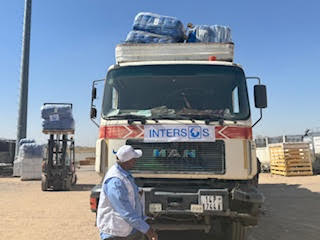
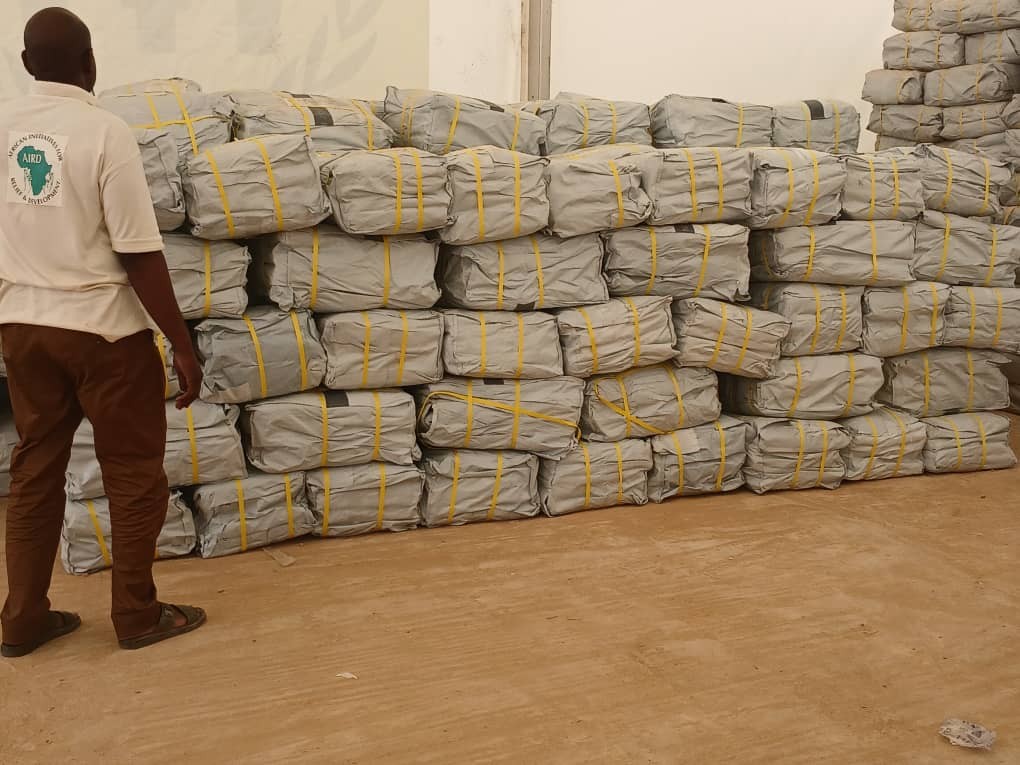
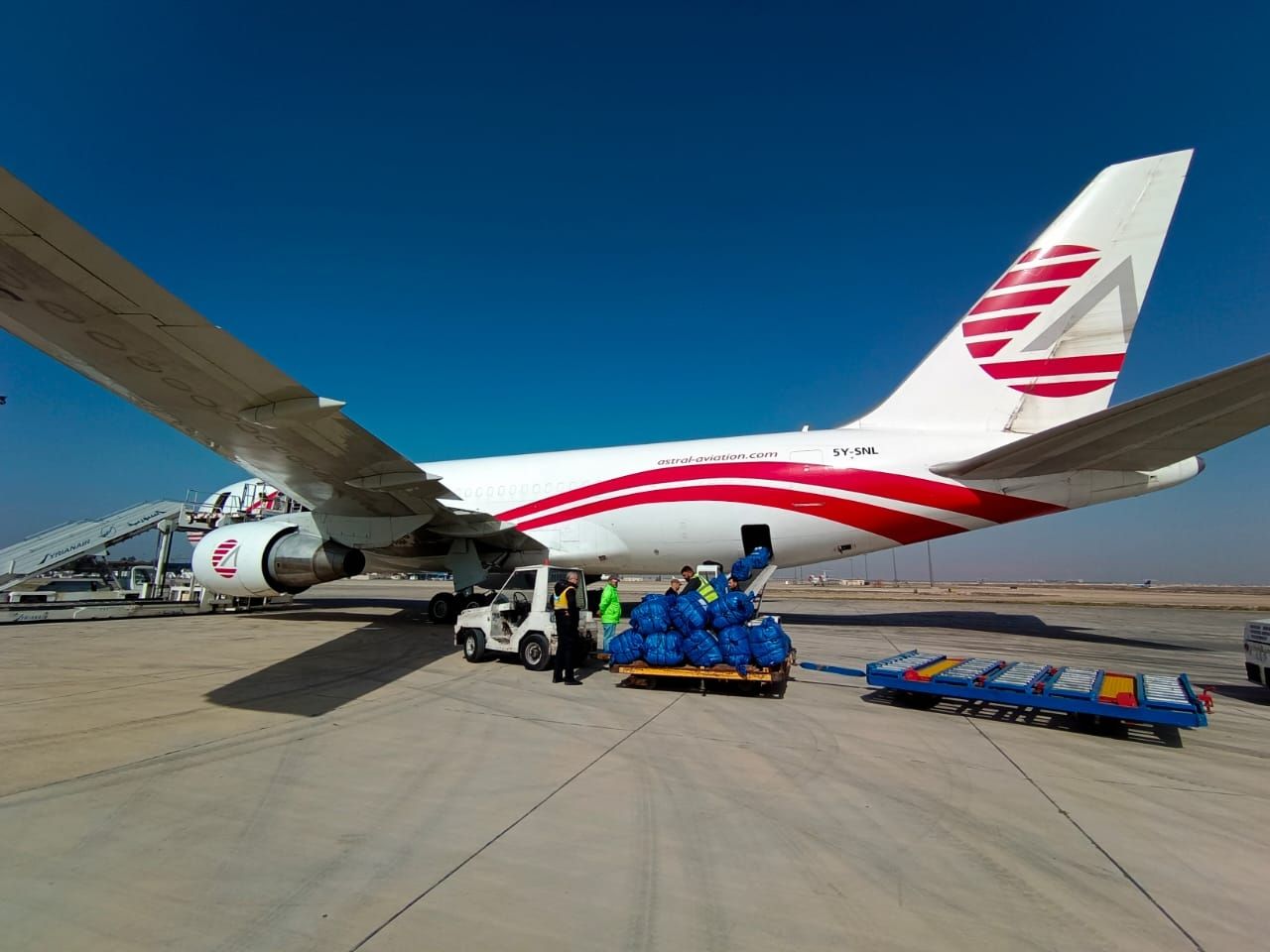
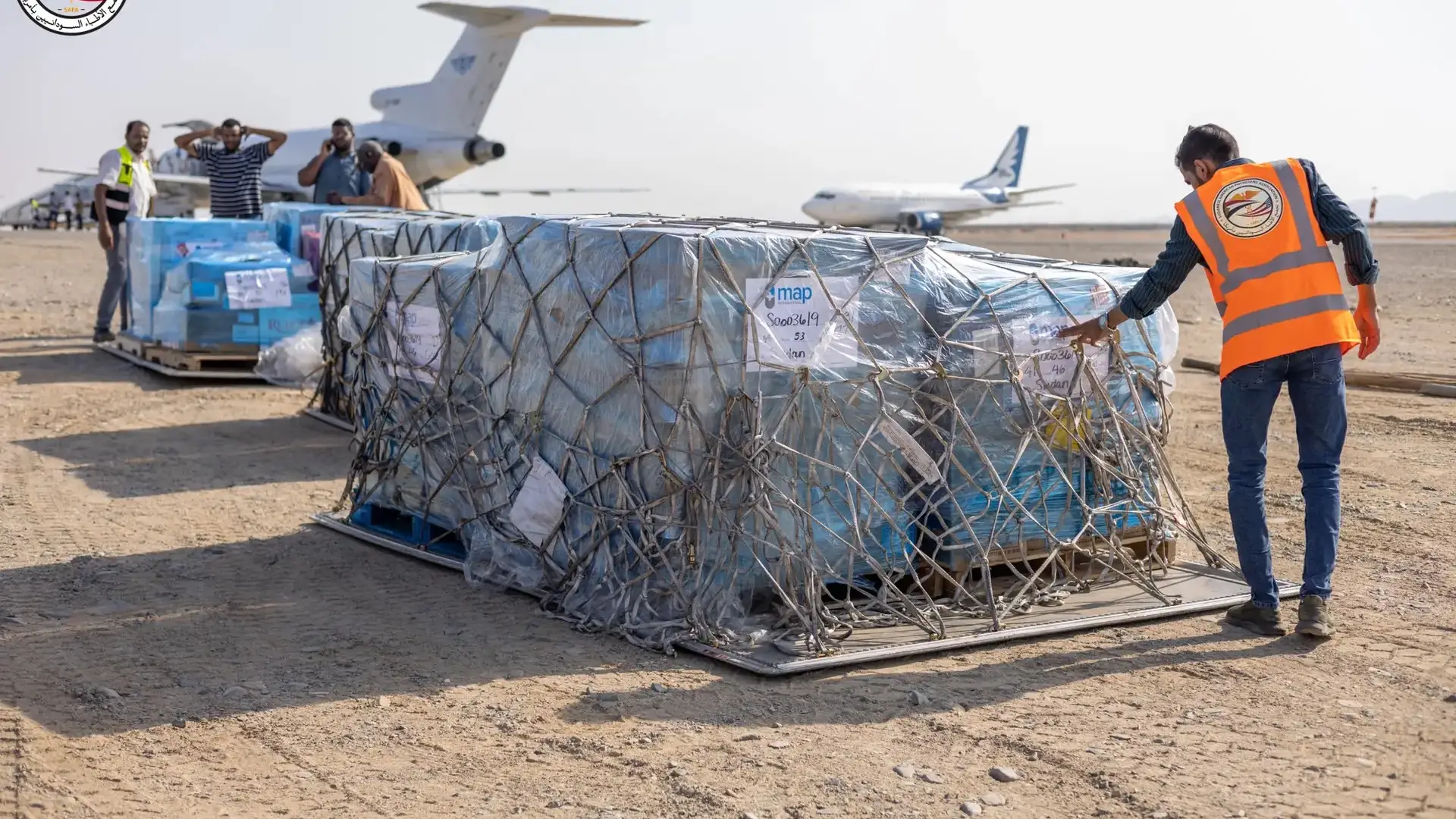
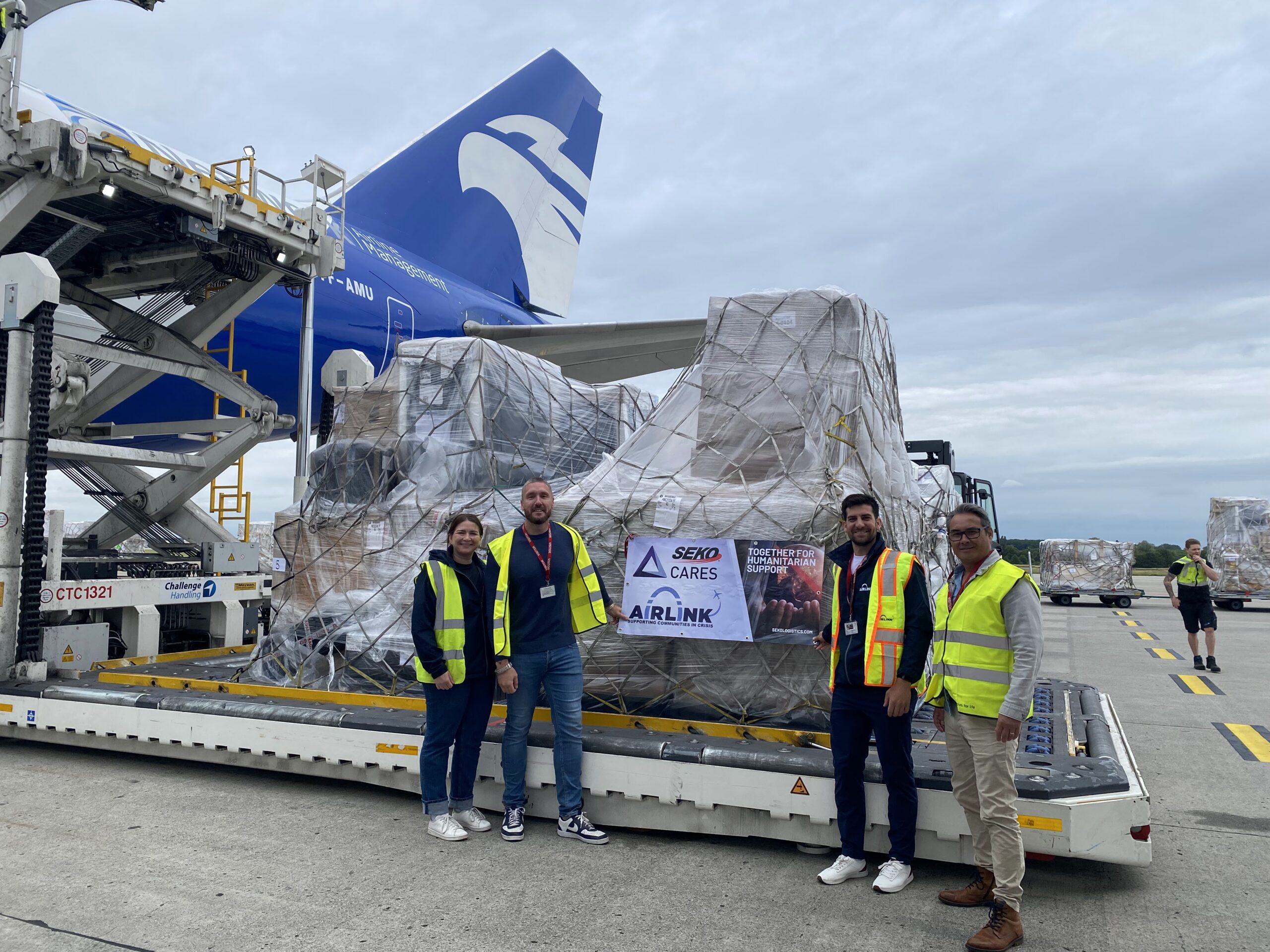
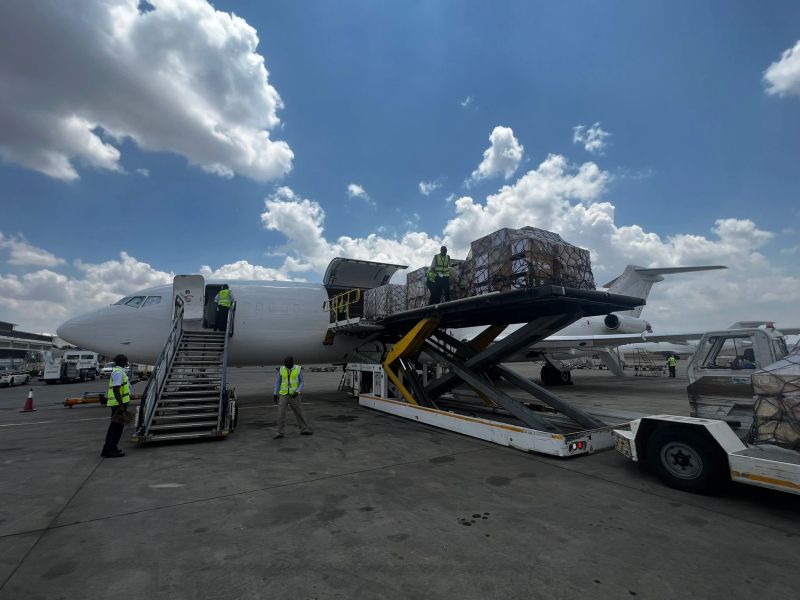
In response to growing famine in late 2025, Airlink and International Medical Corps partnered to deliver 80 tons of Ready-to-Use Therapeutic Food to Darfur utilizing an in-kind air bridge to Europe operated by United Airlines and freight forwarding services and donated consolidation warehousing from SEKO Logistics, followed by a charter flight from Liège to N’Djamena. This shipment provided over 7,000 children with nutrition support to treat and prevent severe acute malnutrition across Central, West, and South Darfur – Sudan’s most acute famine epicenters.
In March of 2026, Airlink organized a charter flight of critical medicines and medical supplies from Liège to Port Sudan in partnership with Relief International and Acción contra el Hambre in an effort to overcome the severely constrained airfreight market and low commercial capacity into Port Sudan which have driven up prices and slowed delivery times. This shipment consolidated ready supplies across Europe to lower the cost of transportation by 29% and reduce transit times by 14 days, while ultimately providing healthcare to over 300,000 people across southeastern Sudan.
Through these types of solutions, Airlink has saved aid organizations over USD $3.4 million in transportation and logistics costs, allowing them to place those savings directly back into their life-saving programs to reach more people in need.
As this conflict enters its fourth year, Airlink remains committed to supporting our partners in solving their most complex logistics challenges as they continue to respond to the growing humanitarian needs in Sudan. Airlink is actively working to expand its airline partnerships into N’Djamena and Port Sudan, unlock faster and more affordable delivery pathways, and build last mile solutions that go deeper into communities in need.
Airlink has become the solution for over 24 aid organizations operating in Sudan, and the need for Airlink only continues to grow. Demand for Airlink’s support to move aid to Sudan and neighboring countries is up 73% from 2025, and with a current pipeline of over 250 tons of medical supplies, medicines, food aid, and essential non-food items awaiting Airlink’s support, the need for funding is ever greater.
In Sudan and around the world, logistics saves lives. To keep critical aid moving to Sudan and across the region, donate to Airlink today.
About the Author
As the Humanitarian Programs Manager for Sub-Saharan Africa, Peter Frey leads Airlink’s emergency response efforts within the region, designing logistics solutions to overcome some of the region’s most complex transport challenges. He also leads Airlink’s regional partnership development, building the carrier and nonprofit network that enables rapid, reliable movement of relief cargo and first responders across Sub-Saharan Africa.
About Airlink
Airlink is a global humanitarian nonprofit organization delivering critical aid to communities in crisis by providing free or discounted airlift and logistical solutions to vetted nonprofit partners, changing how the humanitarian community responds to disasters worldwide. Its network includes over 250 aid organizations and over 50 commercial and charter airlines. Since its inception in 2010, Airlink has flown 15,000 relief workers and transported over 8,000 metric tons of humanitarian cargo, directly helping 75+ million people impacted by natural and man-made disasters. For more information, visit airlinkflight.org and follow us on LinkedIn and Instagram.