Our Impact
NGO partners supported
Aid Supplies Delivered (kg)
Situation overview
Over 15 Million Displaced Amidst April 2023 Conflict, Deepening Existing Compounded Crises
Fighting between the Sudanese Armed Forces (SAF) and paramilitary Rapid Support Forces (RSF) has displaced over 15 million people since April 2023, including over 11 million internally displaced in Sudan and more than 3.5 million people who have fled to neighboring countries such as South Sudan, Chad, Central African Republic, and Ethiopia. The conflict shows no signs of waning, leaving Sudan and neighboring countries at risk of further destabilization in a region already experiencing compounded, complex crises. Sudan faces an unprecedented crisis with over 30 million people in need of life-saving humanitarian assistance.
Prior to the current conflict, Sudan was already experiencing a humanitarian crisis, driven by extreme weather; intercommunal violence, political and social unrest; economic instability; displacement; and widespread hunger. The existing crisis has made urgent humanitarian assistance even more critical.
The outbreak of violence was concentrated in Khartoum, and estimates indicate 60% of fighting is concentrated in this state, which has become an urban conflict zone with heavy aerial bombing and violence trapping civilians with no way to flee. As the humanitarian situation in Sudan continues to deteriorate, civilians are disproportionately impacted. Although there have been several ceasefire attempts, all have failed to provide sustained and safe access to communities in need and cutting people off from basic necessities and essential services.
Beyond the capital state, fighting has rapidly spread across the country, with significant fighting in Darfur and Kordofan regions. The situation in the Darfur region is especially dire.
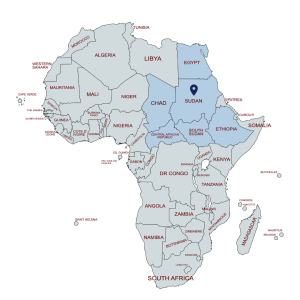
Over 3.5 Million People Have Fled Sudan to Neighboring Countries Since the Outbreak of Violence
Sudanese refugees and those returning to countries of origin are fleeing to Chad, Central African Republic, South Sudan, Egypt, and Ethiopia, exacerbating ongoing crises and existing humanitarian needs in neighboring countries. Over 3.5 million people have fled Sudan to neighboring countries since the outbreak of violence where there is limited capacity and infrastructure to support basic needs of refugees. Overcrowded conditions at existing refugee camps and settlements along the border have left thousands without reliable access to shelter; food; water, sanitation, and hygiene (WASH); and health services. Current reports of refugee and returnee numbers are expected to increase drastically given the continued fighting in Sudan.
The Challenge for NGOs
Air Access Remains a Significant Barrier for NGOs Delivering Aid to Sudan
Air access remains a significant barrier for NGOs delivering aid to Sudan. Airspace is still restricted, but Sudan’s Civil Aviation Authority announced that airspace in the eastern sector of the country is now open to commercial airlines. This is limited to specific flights to and from Port Sudan (PZU). It is not yet clear if this development will impact access to available airlift into Sudan.
Chartered freighters are still able to access PZU and require landing permits and war risk insurance. This continues to be a regulatory and financial barrier. Approval for charter flights to PZU is not guaranteed and dependent on government approvals. Congestion at PZU has led to significant delays in clearing and releasing shipments to in-country partners.
As of August 15, 2024, the Sudanese government approved the opening of the Adre border crossing linking West Darfur and Chad, and this border crossing remains open through at least May 15, 2025, to facilitate the movement of aid and people. Road transport throughout Sudan is dependent on a limited number of commercial providers, and price gouging has created an additional financial barrier for responding organizations. The current rainy season is expected to severely limit capacity to move supplies in Sudan and neighboring countries.
Costly regional airlift rates limit capacity to move critically needed humanitarian supplies into neighboring countries.
The Solution through Airlink’s Logistical Expertise
Airlink’s Primary Concept of Operations for Aid Cargo Relies on Innovative Transshipment Program
The air- and sea-based solutions that are currently available through the humanitarian system remain difficult to access for small-to-medium sized organizations with specialized and/or long-standing programs in the region for a variety of reasons, including visa requirements, complex logistics to reach desired hubs, and insufficient capacity. For this reason, Airlink has been called to offer solutions to bridge the gap in this initial emergency period. To increase access to existing response mechanisms, Airlink will support the movement of humanitarian aid to designated transit hubs for scheduled flights and/or sea freight movements directly to Port Sudan as needed.
Airlink is coordinating requests to both neighboring countries and charter requests into Port Sudan (PZU). Due to the complexity and fragmentation of the regional airline networks in northern Africa, Airlink’s primary concept of operations for aid cargo will rely on an innovative transshipment program, bringing aid from the US, Europe, UAE, and other countries into common regional hubs, such as Addis Ababa, ET; Cairo, EG; or Nairobi, KE, through its in-kind airline network, and then connecting to commercial carriers that serve the relevant final destinations in South Sudan, Chad, and the Central African Republic. Cargo rates on this final mile can be quite high due to regional instability and low air freight capacity; therefore, funding support is required to ensure vital aid reaches communities in need.
Airlink is also supporting last mile movement of humanitarian aid from N’Djamena International Airport in Chad through the Adre border to West Darfur, Sudan.
Our Partners












Shipment Highlight
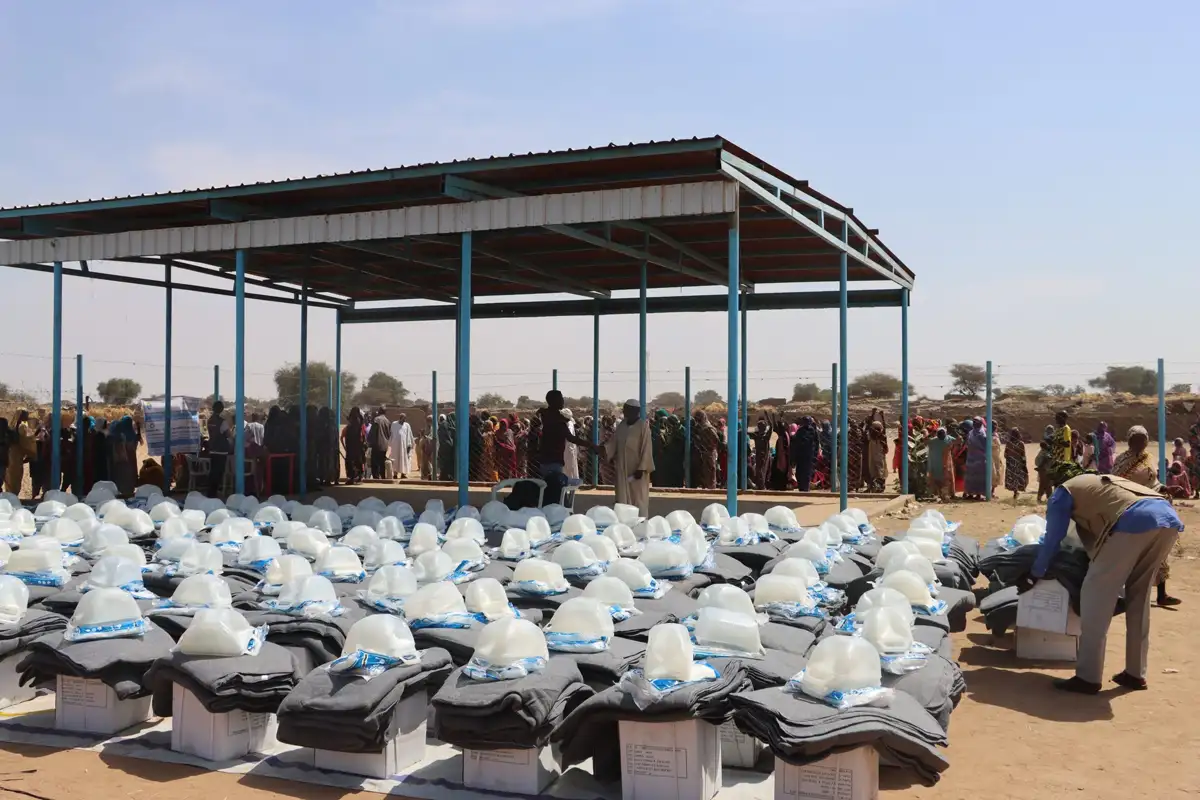
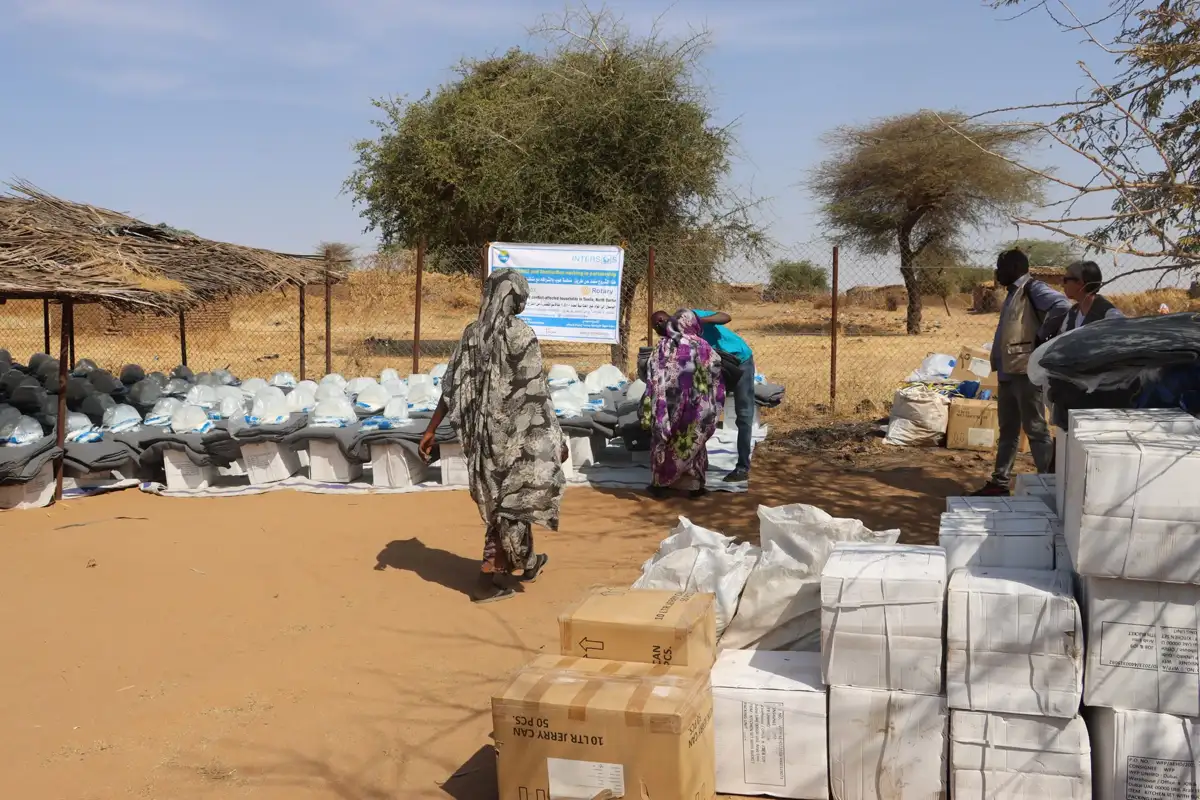
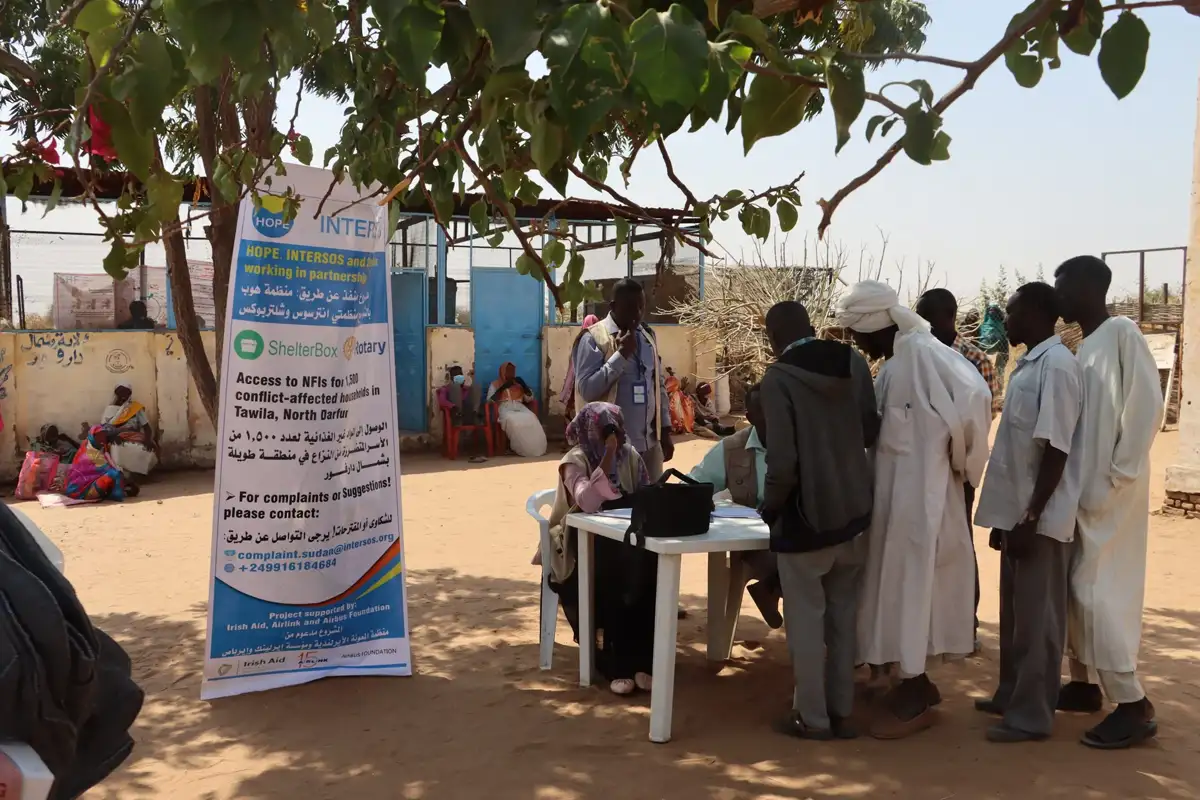
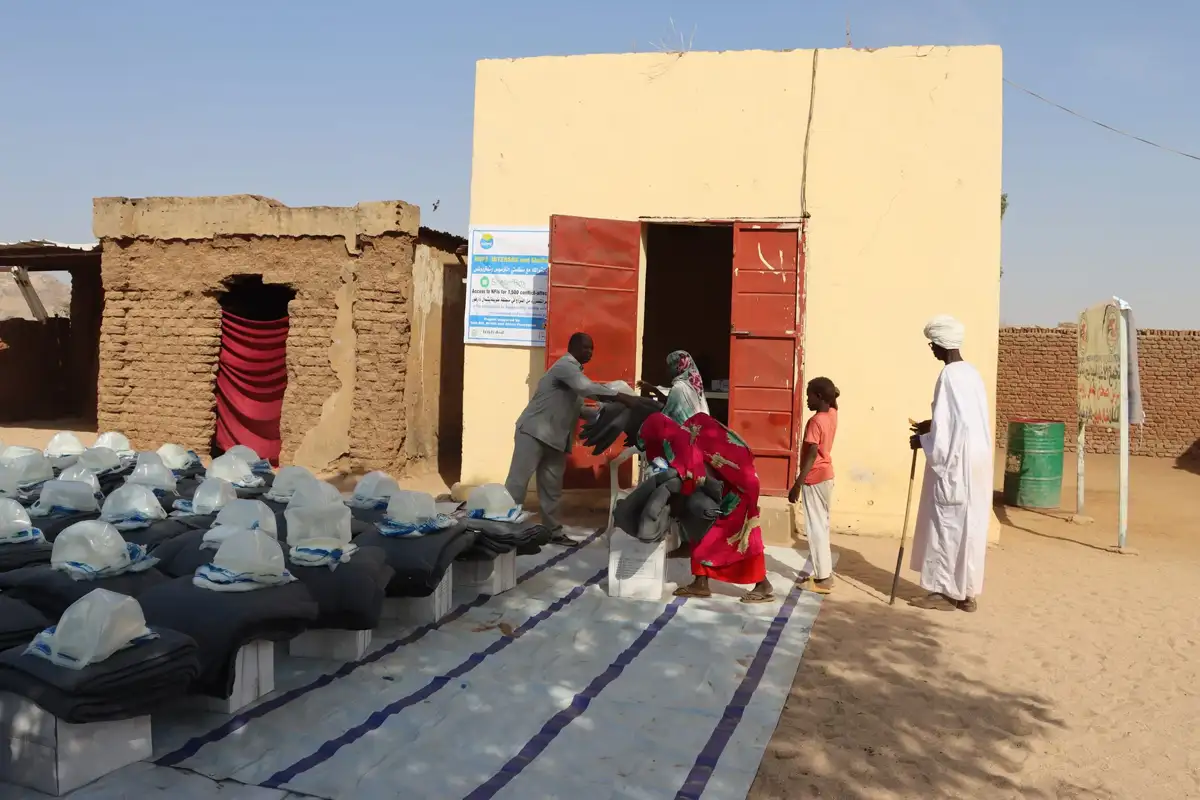
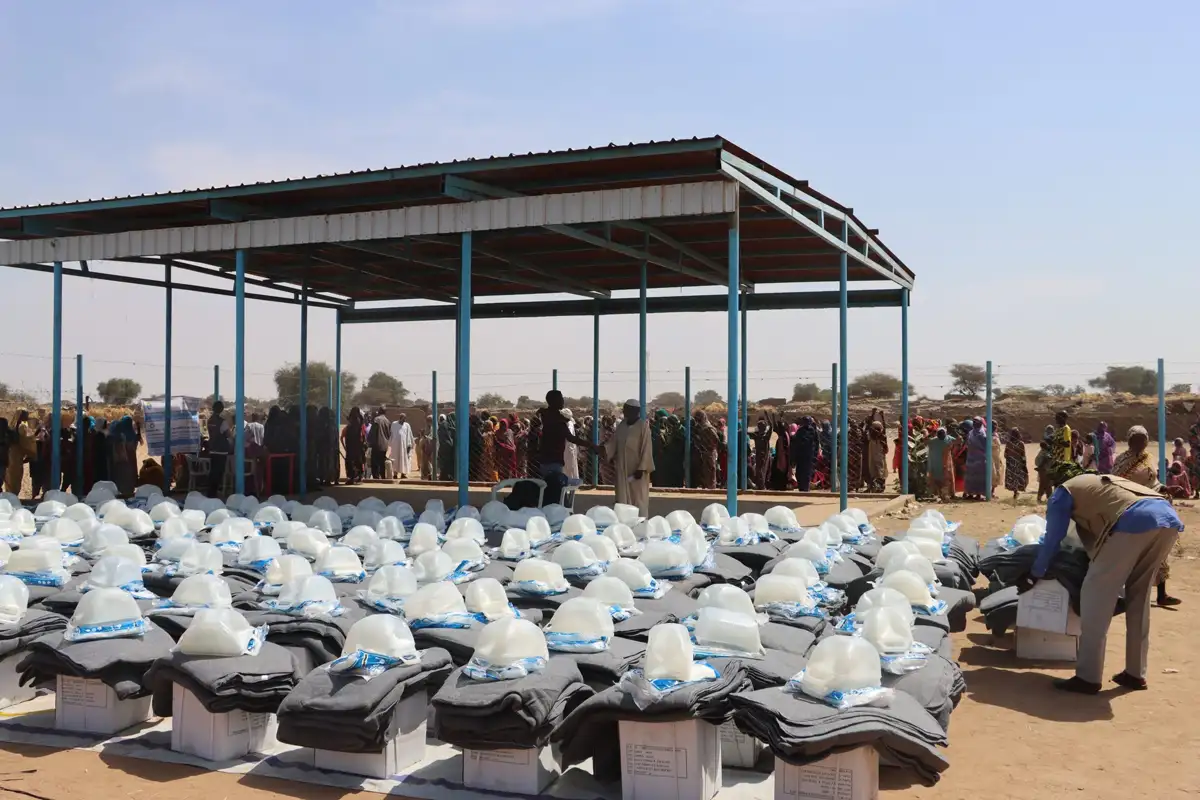
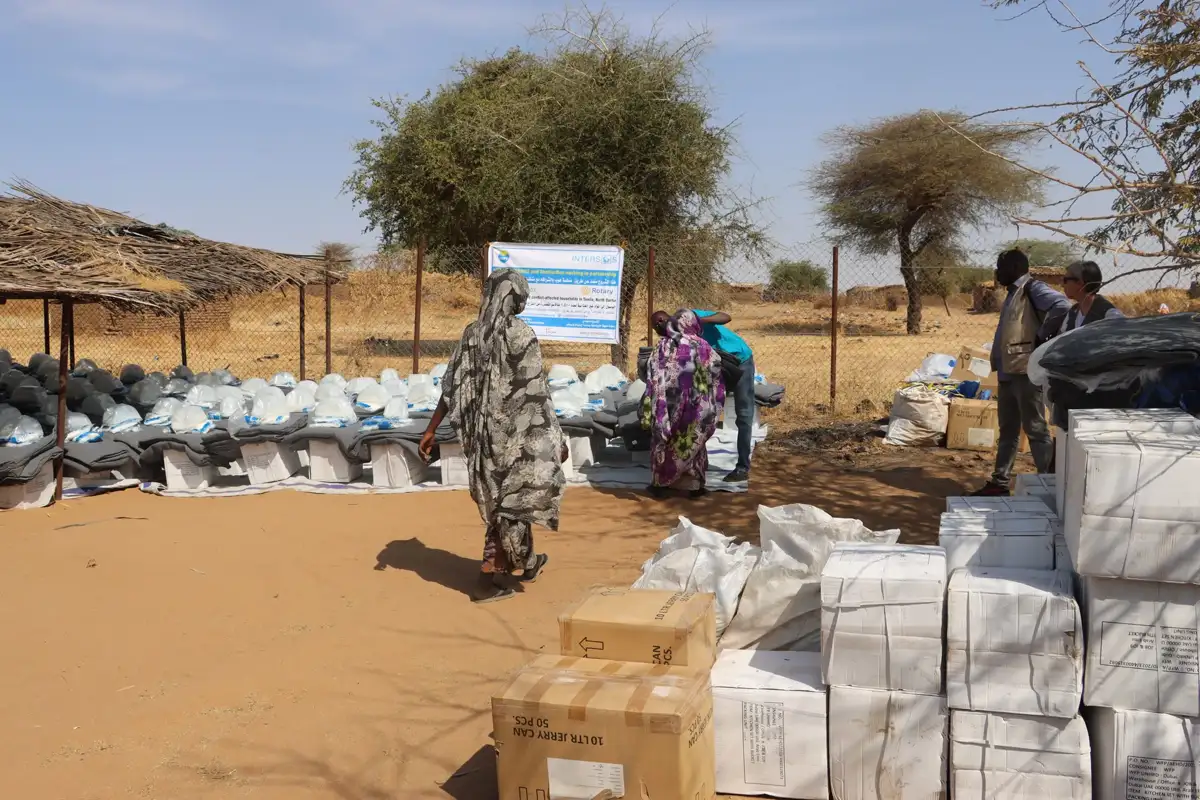
Thanks to the generous support of the Airbus Foundation, Airlink coordinated the delivery of over 23 tons of critical shelter and non-food items, medical supplies, and essential medicines to West Darfur, Sudan on behalf of our partner INTERSOS.
These items donated and made possible by ShelterBox and Action Medeor provided populations in North Darfur who have been displaced by the ongoing conflict with urgent, life-saving aid. Over 1,500 households in North Darfur have received shelter and non-food items, and health facilities across West Darfur will soon receive critical supplies and medicines as well.
Airlink overcame significant access barriers to move this shipment, working with multiple partners and SEKO Logistics to make it possible for this cargo to travel more than 6,000 miles by air and land from Germany, UAE, and Chad. It marks the beginning of a new global alliance between Airlink, INTERSOS, ShelterBox, and Action Medeor to provide a multisector, integrated humanitarian response to ensure the provision of health, protection and shelter/NFI services in Sudan.