Our Impact
NGO partners supported
Responders sent
Aid Supplies Delivered (tons)
Airlink’s Response
Current Situation Overview
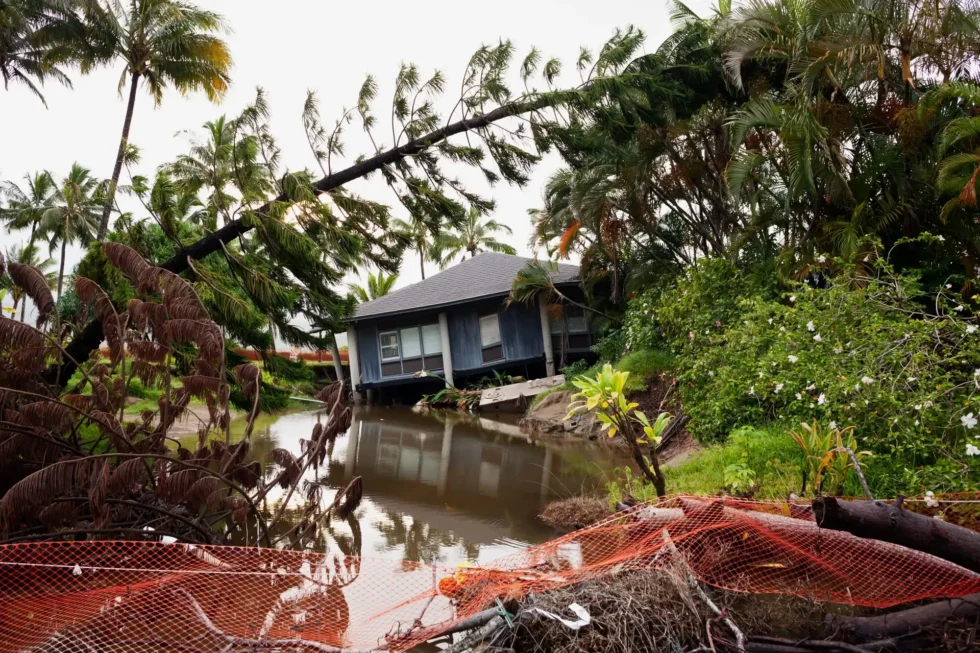
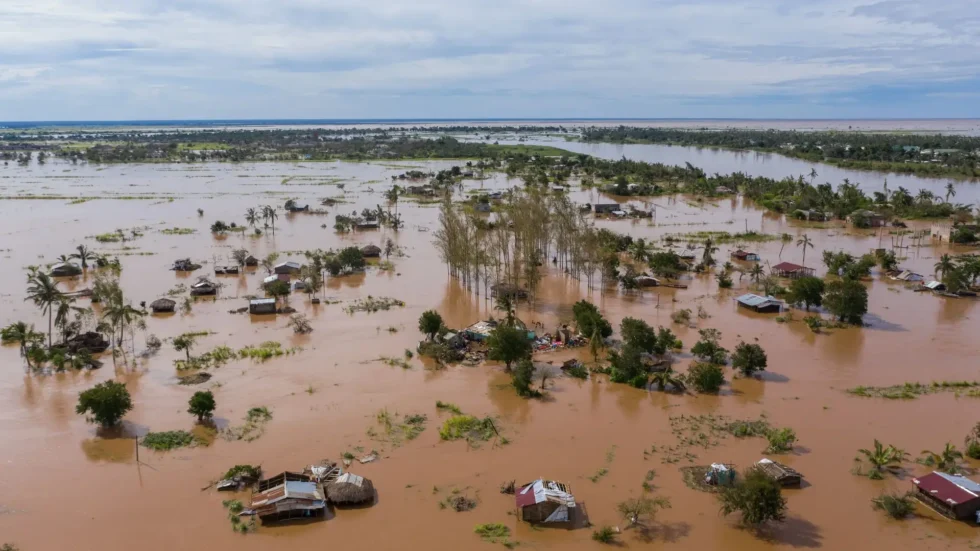
Pakistan is grappling with its worst flooding in living memory. An estimated one-third of the country is underwater, with more than 30 million people affected over the last few weeks. The U.N. has noted that nearly 1 million homes had been damaged, and more than 700,000 livestock were lost, and 2 million acres of crops. So far, at least 1,100 civilians have been killed as a direct result of the flooding, and almost half a million people have sought refuge in relief camps. U.N. Secretary-General António Guterres has referred to the disaster as a “monsoon on steroids” that “requires urgent, collective action.”
The devastation is likely to worsen as a surge of water is now flowing down the Indus river, threatening communities in southern Sindh province. Local officials say 1.2 million people have been displaced in Dadu district in Sindh, where hundreds of villages are submerged – and there is still more water coming. Mudslides and flood waters are traveling down from the mountains towards villages in this district.
Flooding often generates several worrying knock-on disasters, not least is the ability of impacted populations to access clean water. The World Health Organization has warned that millions of Pakistanis are now at risk of waterborne disease.
The cause of floods is record rainfall which is 780% above average levels, according to local experts. It should also be noted that melting glaciers may also be a factor in the flooding—Pakistan has more glaciers than any other country. Since 1959, Pakistan has accounted for 0.4% of historical emissions, and yet it is listed as one of the most climate-vulnerable places in the world. While Pakistan is typically prepared with water pumps to respond to monsoons, officials claim to have nowhere to pump the water because the flooding is so widespread.
How You Can Help
Unable to give at this time? There are other ways you can support Airlink and it’s NGO partners, both in Myanmar and in other responses.
- Share our social media posts here and here to generate awareness.
- Subscribe to our newsletter for updates.
- Read about our other responses to learn more about our work.
Our Partners