September 2025 Situation Overview
A devastating 6.0-magnitude earthquake struck rural communities in eastern Afghanistan on Sunday, August 31, in the evening (local time). Nearly 1,500 lives have been claimed, with another 3,300 injured. Those numbers are expected to climb as search and rescue teams comb through the rubble and reach remote communities. During the rescue operations, aftershocks interrupted the teams, causing further delays. Thousands of homes have been lost, with some communities seeing half of their structures completely destroyed and the still-standing to be uninhabitable due to lack of water, electricity, and ability to prepare or store food with critical infrastructure damages.
The region is prone to earthquakes, which Airlink has responded to in the past. Despite the frequency, earthquakes remain one of the most difficult natural disasters to prepare for, and are often the deadliest. It’s been reported by the United Nations and partners on the ground that children, now orphaned from the earthquake, are being treated at hospitals alone and are awaiting care and next steps to recovering their life and finding a new place to call home.
Our Response
The country is already grappling with the ongoing humanitarian crisis and recovery from the 2022 earthquake, both of which Airlink has and continues to support. Airlink sent out a rapid region-wide monitor alert to engage partners who have previously or are currently working with us on a number of responses and are connected with the communities. A few partners are assessing immediate needs, and others are determining lower-priority movements for later in the month.
Airlink will utilize it’s current budget to fund shipments, but needs more support in order to anticipate greater needs moving forward. Afghanistan crises are often underfunded across organizations; Airlink is currently positioned to support communities in rapid-responses, and through the ongoing monsoon season, in a limited capacity.
You Can Help
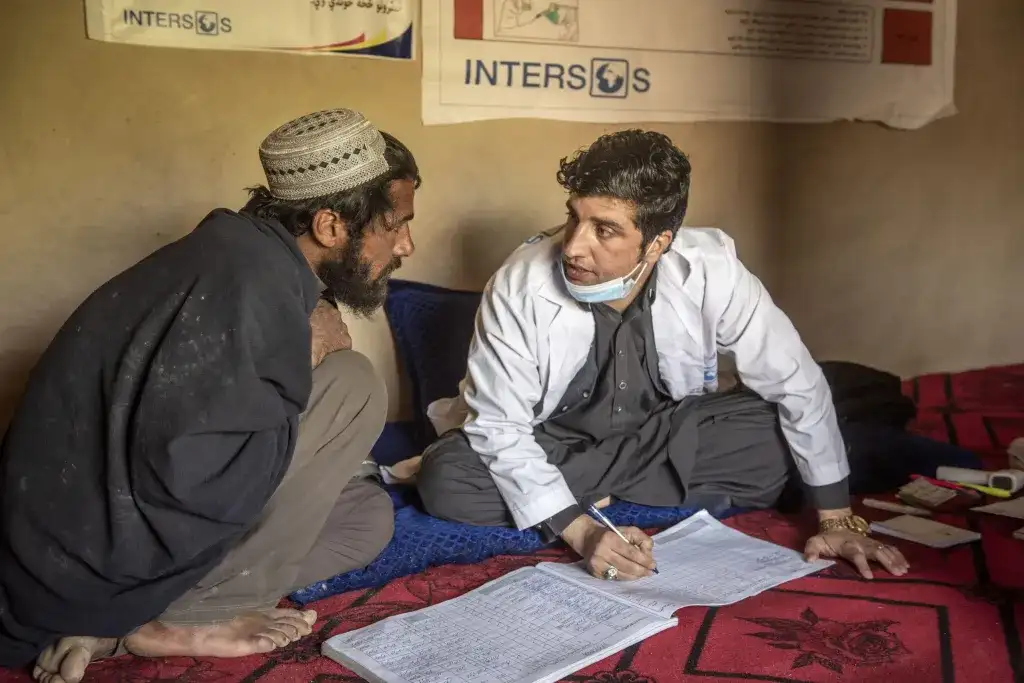
Your donation is vital in ensuring a timely and effective response.Every contribution makes a difference—please consider donating today to support communities in crisis and help us deliver the right aid to the right place at the right time.
June 2022 Situation Overview
At 01:24 am on the 22 June, a 5.9 magnitude earthquake struck the Central Region of Afghanistan affecting Khost provinces as well as Naki, Zirok, Barmal, and Gayan, districts of the province of Paktika. The earthquake was recorded at a depth of 10 km and reportedly felt in Kabul, as well as in Islamabad, Pakistan, and India.
Regional and local authorities’ initial estimates are that at least 1,000 people have been killed and over 1,600 injured, although both numbers are expected to increase. In addition, up to 1,800 homes have reportedly been destroyed and damaged in Gayan, about 70 percent of the district’s residential infrastructure. At least 25 villages were nearly completely destroyed, including public buildings such as mosques and schools. The earthquake coincided with heavy monsoon rain in the region, making traditional houses, many made of mud and other natural materials, particularly vulnerable to damage.
Immediate needs identified include emergency trauma care, emergency shelter, non-food items, food assistance, and WASH support. The areas most impacted by the earthquake are remote and sparsely populated, situated a significant distance from hospitals, complicating the logistical arrangements for any response.
At this time, the Taliban have not issued a formal request for the mobilization of United Nations assets, but have called for international communications and humanitarian organizations to “spare no effort to help the affected people.”
This tragedy comes on top of estimates that almost half the country’s population – 20 million people – are experiencing acute hunger, according to a report the UN published in May.
Additionally, the local health systems are known to be fragile and lacking resources. Recently, Airlink partnered with NGO Save the Children to deliver mixed medical cargo to support healthcare initiatives such as mobile clinics. In total, Airlink helped move nearly 40 tons of medical aid to support health systems strengthening efforts in 9 of Afghanistan’s provinces
Our Response
In response to the earthquake on Tuesday, Airlink is coordinating with our NGO, airline, and logistics partners to build workable logistics and transport solutions for responding organizations. While Kabul Airport is open to commercial flights, only a few commercial operators are currently serving KBL, and prices for commercial and charter flights to the airport remain very high.
Significant challenges in accessing communities in need are due to conditions of roads and terrain, and weather. The poor quality of roadways is exacerbated by ongoing rains, increasing the risk of landslides. Widespread flooding across the country has closed off large parts of national highways.