
How We Work
Vetting & Risk Management
Airlink’s airlin partners collectively represent more than $60B in brand value. Safeguarding this as a trusted partner is core to our work. Here are 4 steps we take to ensure we are working with reputable organizations, even in high-risk contexts:
Basic Vetting: Airlink requires that organizations meet basic criteria for partnership (including: 2 years of response experience, financial health, and legal charity status).
Advanced Vetting: Airlink reviews requests by looking into the organization’s program practices (unconditional aid, informed and safe deployment, expertise in intervention area), adverse media, sanctions and compliance, and mission fit.
Ongoing: Accepted partners undergo monthly monitoring for sanctions, terror, fraud, criminal and civil violations, and adverse media through a third-party screening tool, as well as in every project in 28 high-risk countries.
Post-Mission: Organizations must submit reports following completion of every project to ensure alignment with the program and track humanitarian impact.
Prioritization of Goods & Aid
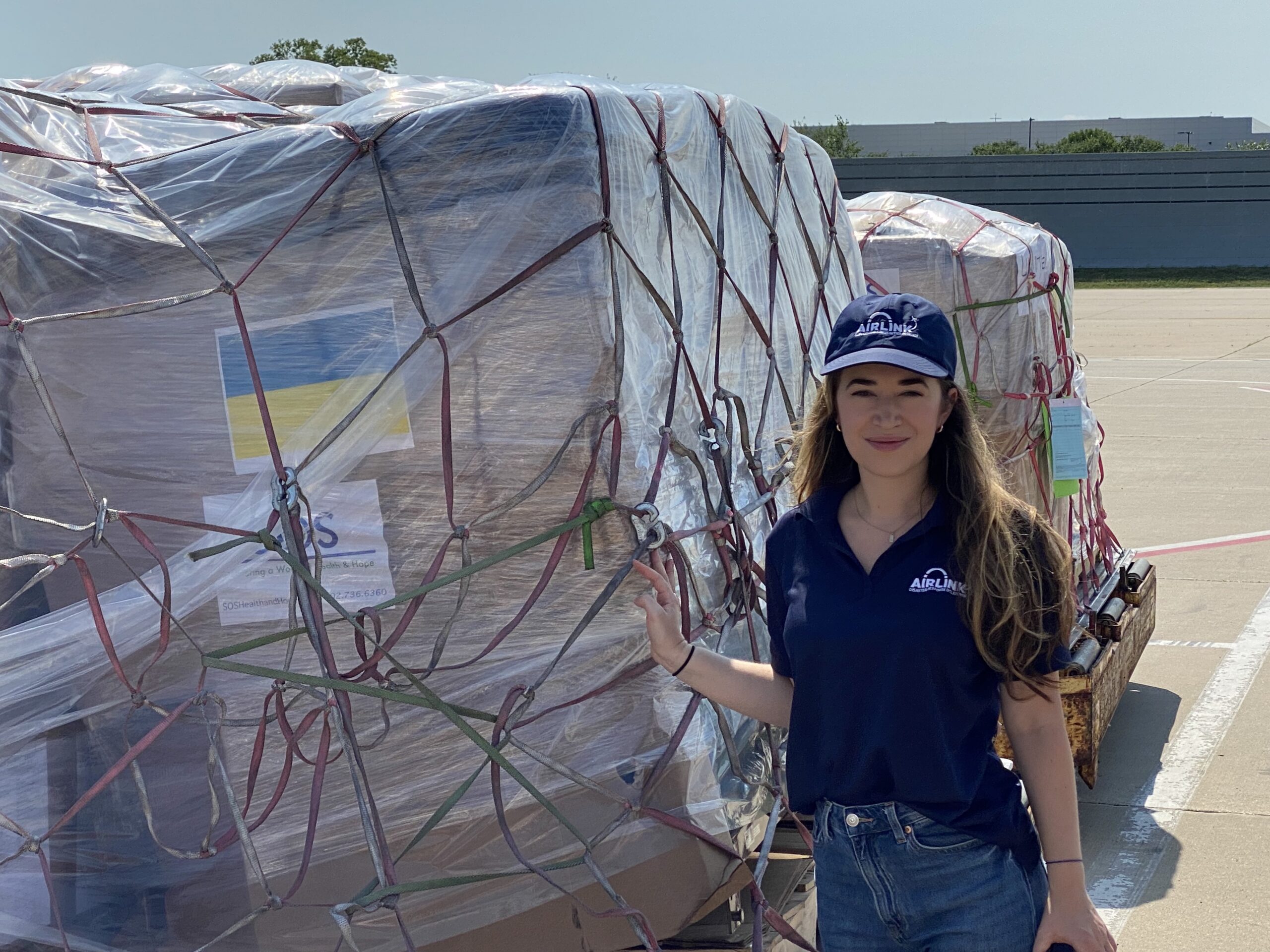
Airlink prioritizes life-saving aid and care during a disaster. In working with local actors and governments who have identified needs, we can coordinate with our humanitarian partners on sending the right aid at the right time, ensuring what is most important arrives first.
Airlink is committed to ensuring a transparent vetting, programming, and response process in line with international humanitarian standards. To see the best practices we uphold and policies we abide by, see our Transparency Page.
How Airlink Decides to Respond
Airlink assesses ability to respond to new or emerging crises based on 6 essential criteria:
- Mission fit: does this emergency fall under one of our response areas? (Natural disaster, conflict, disease outbreak.)
- Need identified: is there a call for international assistance, or have local demands outstripped local resources?
- Requests: are humanitarian partners requesting our help?
- Air access: do Airlink’s airline partners have existing routes or access to the nearest airports?
- Challenges: can Airlink overcome response challenges, and find solutions across air and multi-modal solutions? (Nearest airport closed following a storm, shut borders, active conflicts, truck access or sea freight options.)
- Resources: Sdoes Airlink staff have bandwidth, and does the organization have funding, resources, and airline support available?
Now boarding
Sign up to receive our monthly Airlink Flyer, and be the first to see news on developing disasters and how we are responding.