
Step behind the scenes with Airlink to learn how we secure seats with airlines and send emergency responders from our humanitarian partners during a hurricane—even when the airports are closed.
A week before Hurricane Melissa made landfall in Jamaica in October 2025, we contacted our humanitarian, airline, and logistics partners to announce that we were monitoring its path. Our airline partners received frequent updates from us, and together we measured the size and scale of response to anticipate. As more confidence grew about its size and severity, we officially activated our response, and I booked the first passenger flights the weekend before landfall. Through close coordination with Water Mission, we deployed clean water and hygiene experts who arrived in Montego Bay on the morning of October 26, a mere few hours before the airport closed, allowing them to preposition relief materials and supplies such as hygiene kits, water treatment units, and sanitation infrastructure equipment.
This response demonstrates how Airlink mobilizes its partners across the humanitarian and airline industry to deliver critical impact to communities. But this doesn’t happen overnight or by luck alone. Airlink and its airline and humanitarian partners were able to accomplish this by working closely together for years with careful coordination to overcome logistical challenges during a sudden on-set disaster.
As the Programs Associate at Airlink managing global responder deployment, I navigate these logistical challenges as we work with the airline industry to deploy humanitarian personnel across the world to respond to emergencies, assist with long-term recovery, and support resilience-focused programs.
When I book tickets for aid workers, I use the same system that the public has access to when booking travel on a commercial airline’s website. This means the same rules apply:
- Booking far in advance allows for seat and flight availability.
- Flights that are in high demand are more expensive.
- Depending on requested airports and geography, routes may have multiple layovers.
However, Airlink’s model must be cost-effective in how we manage our donated airline resources, such as travel vouchers and airline miles, so that we can respond to as many emergencies as possible. For context, we supported flights for over 1700 aid workers in 2025. Working within these constraints can sometimes present challenges when humanitarian organizations need to deploy teams within 1-2 days of a disaster, which is a much faster turnaround time than booking a vacation, with much fewer options.
Here at Airlink, we address the demand in a few ways. Internally, we’ve developed procedures to prioritize urgent responses and standardize how we respond to different types of emergencies.
Externally, we work with our partners to:
- Ensure close coordination across our humanitarian, airline, and logistics networks.
- Manage expectations and adapt to logistical challenges, including damaged roads and closed airports, during emergencies.
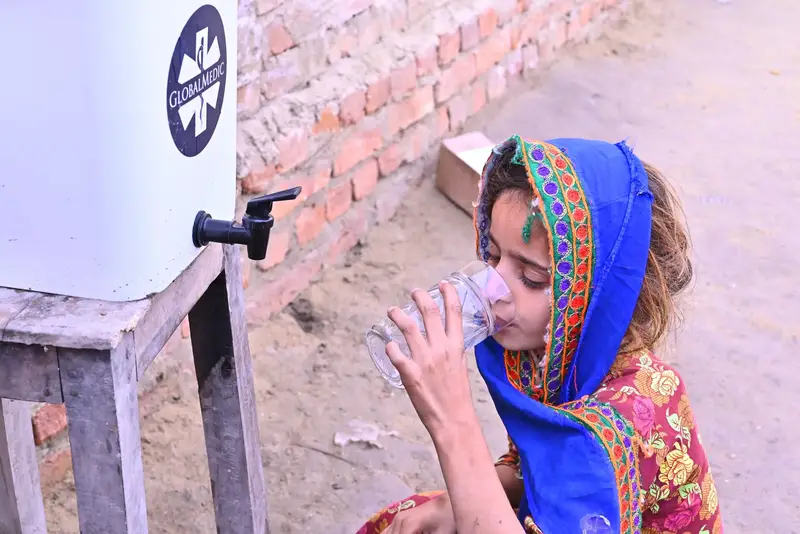
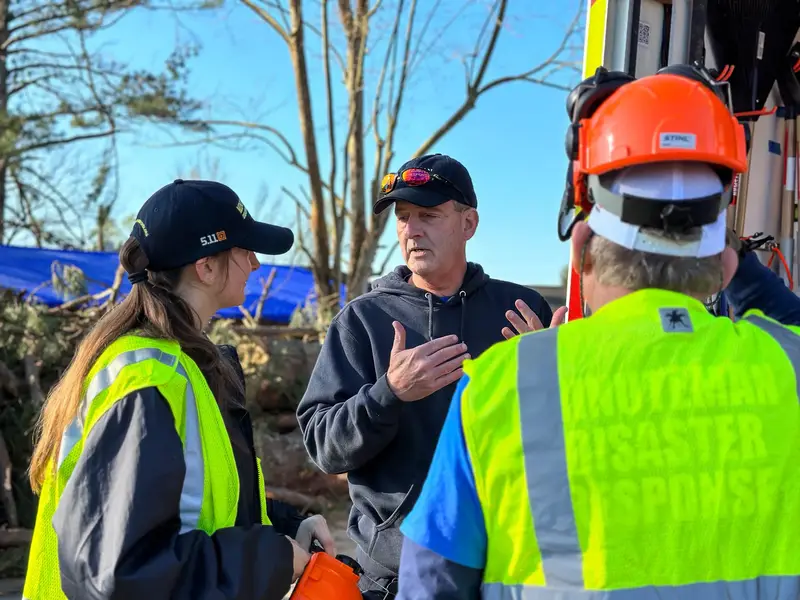

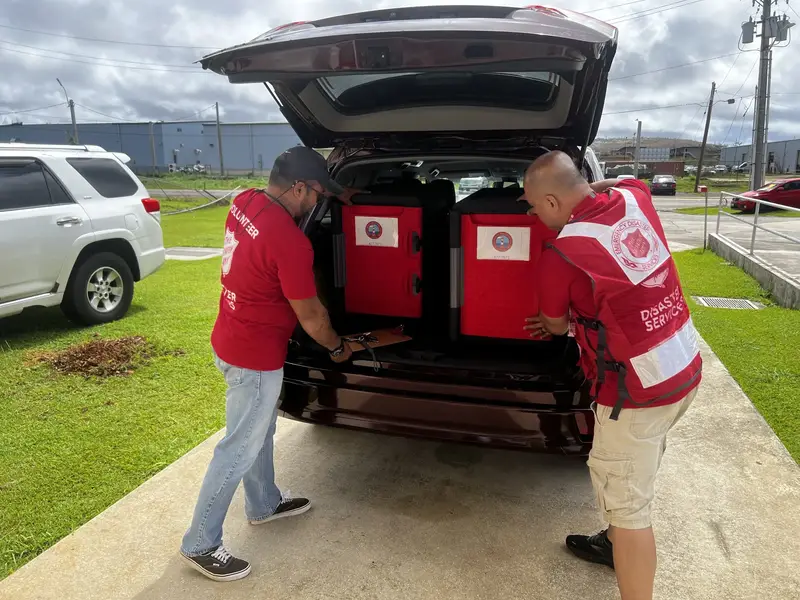
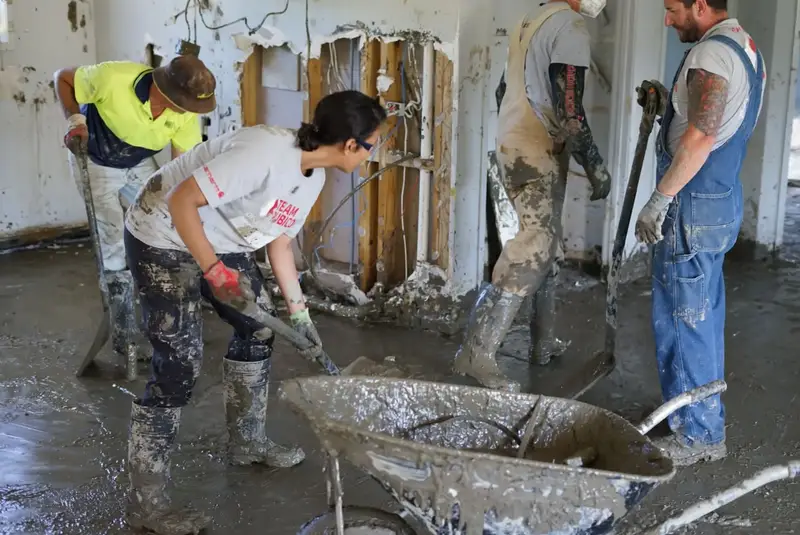
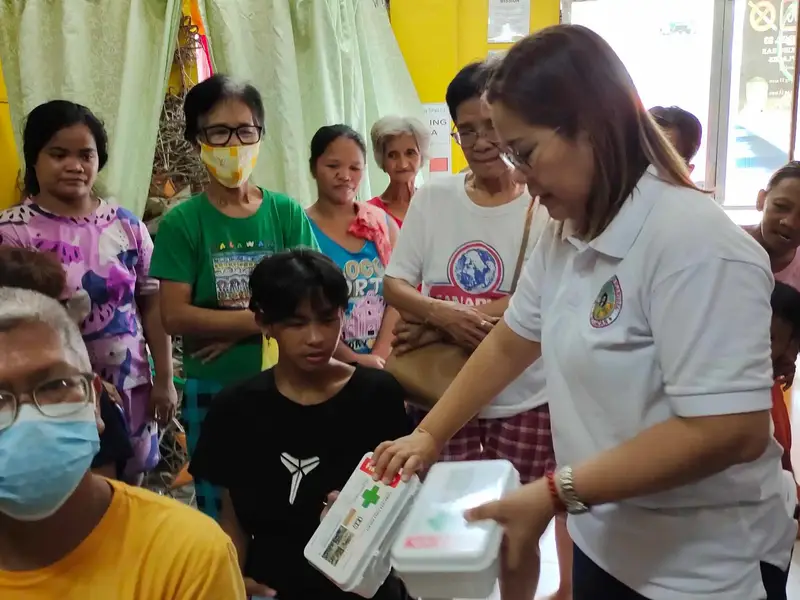
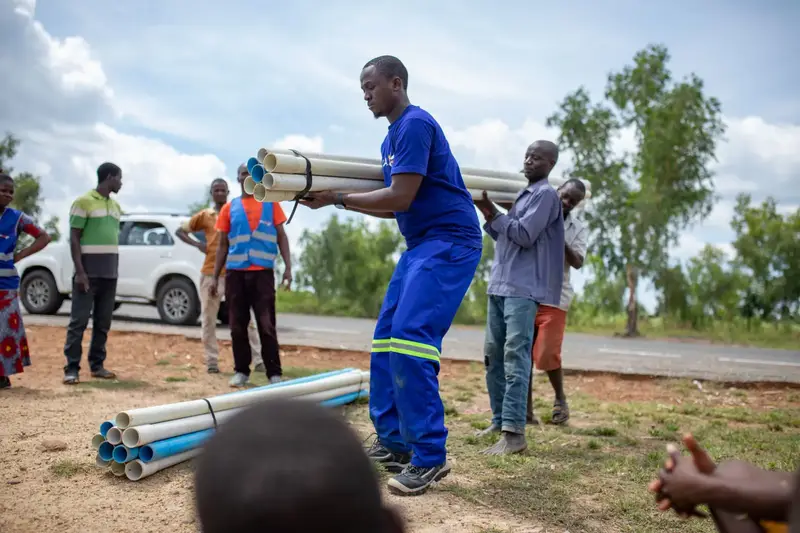
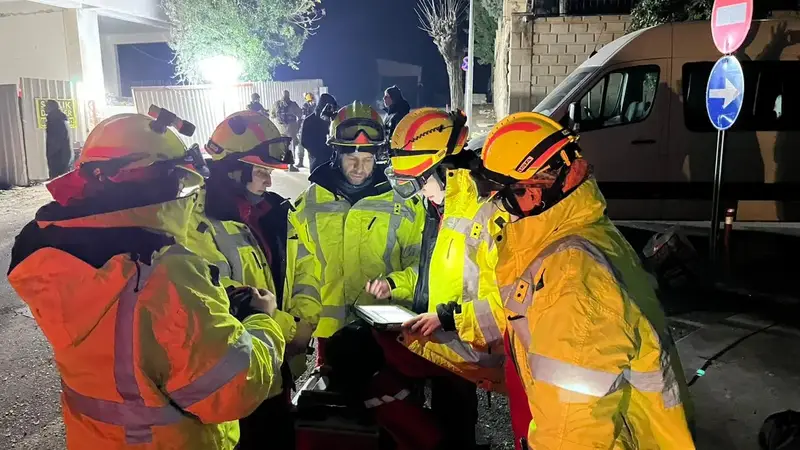
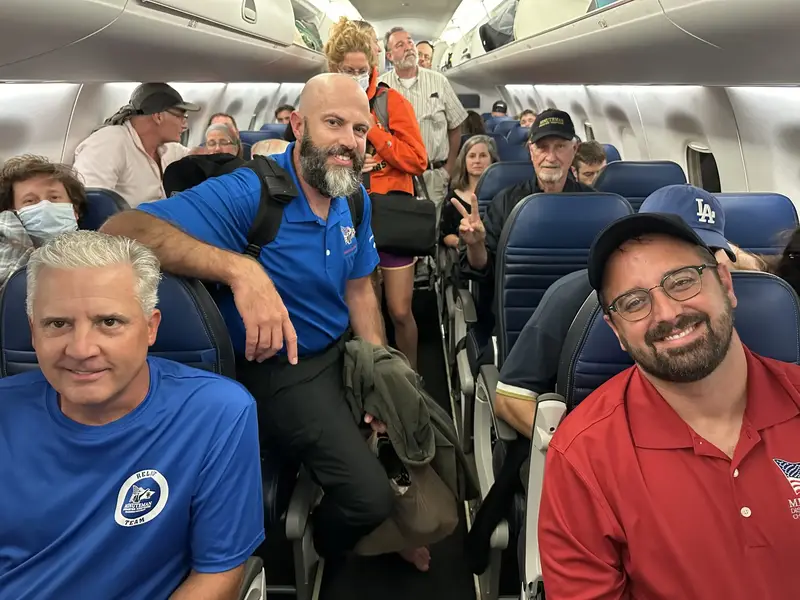
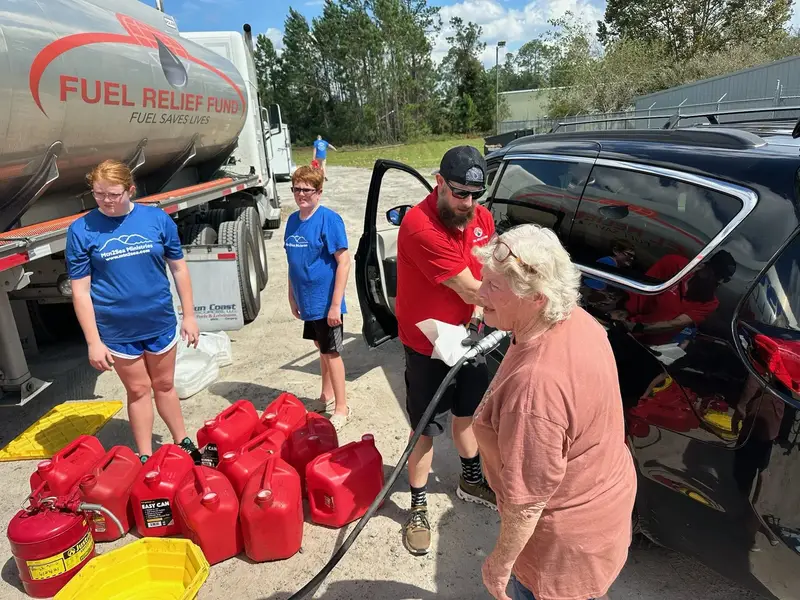
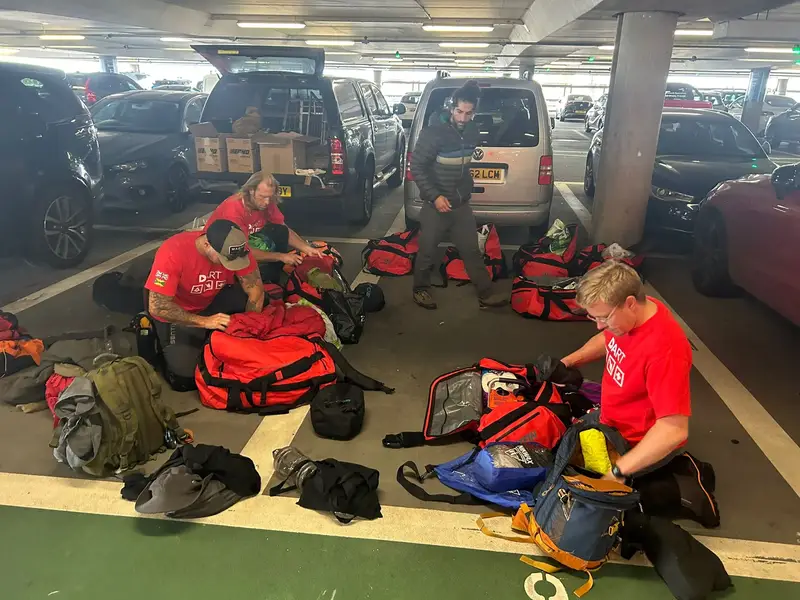
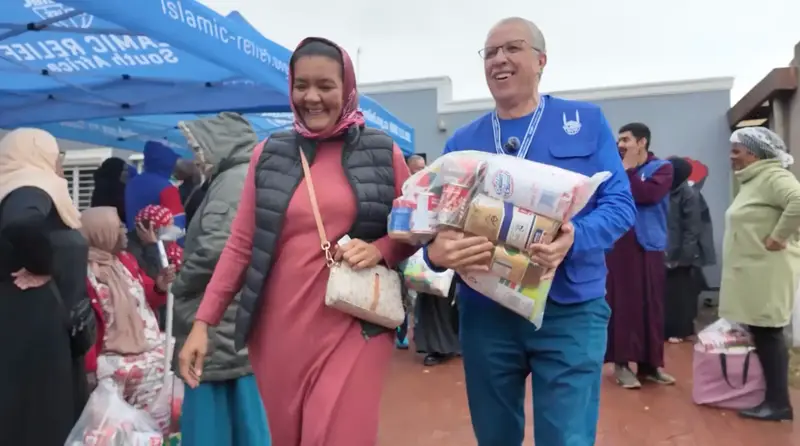
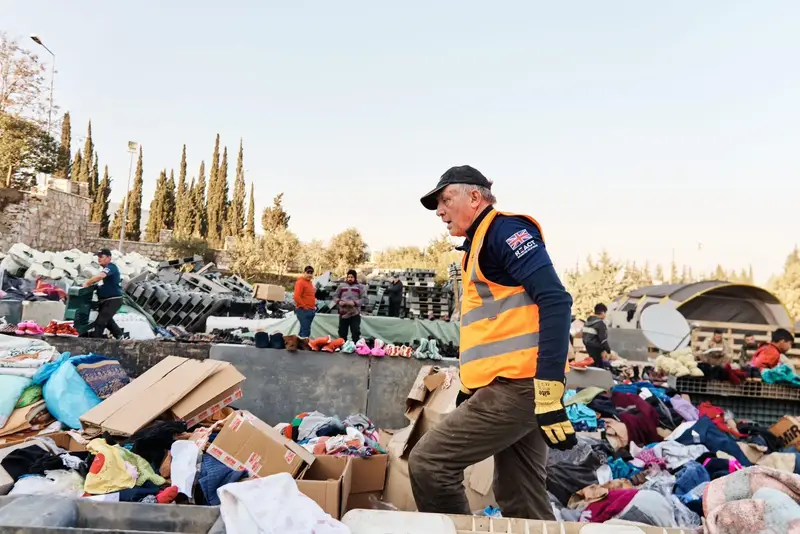
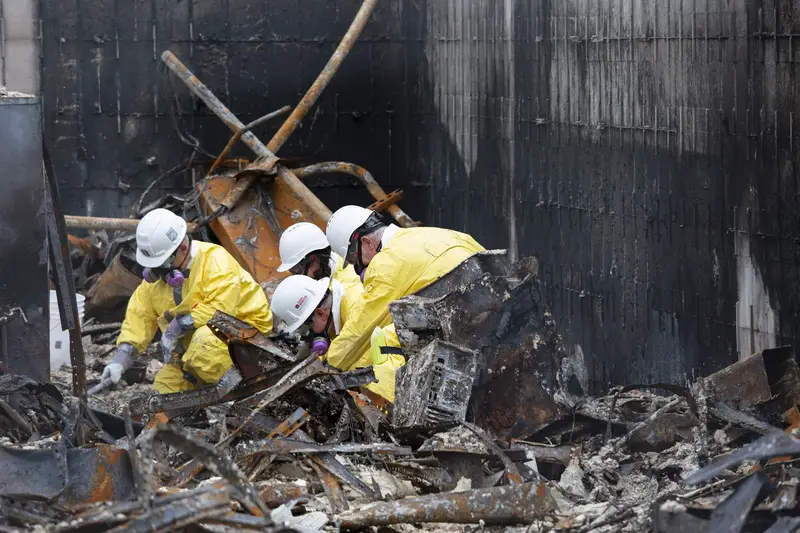
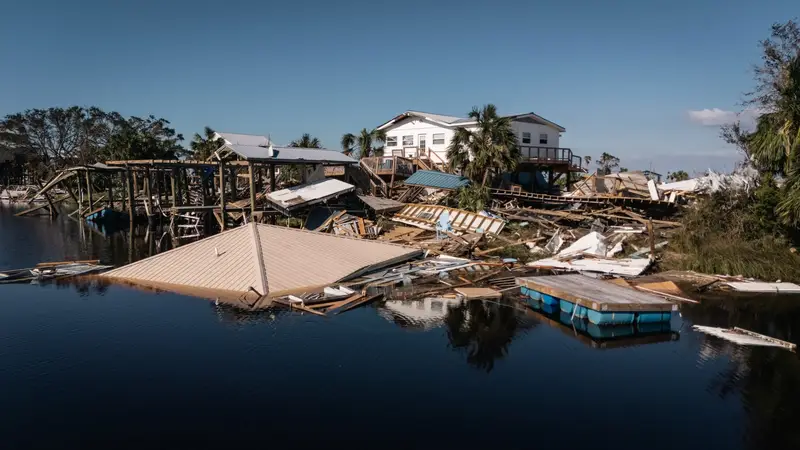
To illustrate this approach more clearly, let’s return to our Hurricane Melissa response in late 2025 as a case study.
A day after landfall, Airlink hosted a coordination call with our partners to provide a situation update, discuss passenger and cargo capacity, and plan next steps. This presented an opportunity for Airlink to be a convenor of its partner network and provide space for information sharing and collaboration. From this call, it was apparent that there was a huge demand for passenger support, but we still faced one of the biggest challenges: airport closures.
Between October 25 and October 30, the three main international airports in Jamaica remained closed while Hurricane Melissa made landfall on October 28. Although flights could still be booked, the reality remained: they were all going to be cancelled as airports remained closed with no certainty when they would open. To manage expectations, I was transparent with our partners about the high likelihood of flight cancellations, offering an opportunity for flexible responders to plan their deployment further out to reduce risk of interrupted or cancelled travel.
On October 30, American Airlines became the first commercial airline to resume service from Miami to Jamaica. Through our partnership, we secured seats on the first flights to deploy additional humanitarian teams to distribute aid that addressed key needs in water, sanitation, shelter, medical care, and solar lighting. I spent the night before cold calling nonprofit organizations to ask who could get on that morning flight with American Airlines. Our quick coordination that night saw 12 responders board the following morning. As flight operations resumed, we continued to meet the demand for passenger requests and get aid workers to Jamaica.
A week after landfall, we booked travel for 154 humanitarian workers to begin assessments and address urgent needs such as search and rescue, emergency telecommunications, first aid and psychosocial support, aid distribution, and logistics coordination. This was the highest number of passengers we had ever booked in such a short period.
By the end of the year, we had saved our humanitarian partners more than $640,000 in transportation costs, made possible by generous partners and donors.
In the face of price increases during a disaster, Airlink and our humanitarian partners often face challenges in affordability. Airlink relies heavily on donated airline miles to offer flexibility in options, especially as we work to keep costs low in times of emergencies. In 2025, nearly 30% of all donated miles were used for Hurricane Melissa. Many people feel powerless as they witness disasters unfold on their screens, but contributing airline miles is one of the easiest and fastest ways to help Airlink move aid and humanitarian workers who are needed immediately.
Airlink’s Hurricane Melissa response exemplifies how we manage logistical challenges as we work with the commercial airline industry to move responders and cargo where they’re needed most during emergencies. Through tight coordination, managing expectations and being transparent about constraints, we were able to partner with airlines and humanitarian organizations to fly over almost 500 responders, move almost 300,000 tons of humanitarian aid, and save humanitarian partners over $1.5 million in logistical costs, allowing them to refocus their efforts and budget on delivering tangible impact. Most importantly, our combined efforts have assisted over 1 million people in Jamaica, and we continue to do so as we shift our focus to long-term recovery.
About the Author
As the Program Associate, Kim Navarro supports Airlink’s emergency response efforts by mobilizing humanitarian personnel, coordinating with airline partners, and impact reporting.
About Airlink
Airlink is a global humanitarian nonprofit organization delivering critical aid to communities in crisis by providing free or discounted airlift and logistical solutions to vetted nonprofit partners, changing how the humanitarian community responds to disasters worldwide. Its network includes over 250 aid organizations and over 50 commercial and charter airlines. Since its inception in 2010, Airlink has flown 15,000 relief workers and transported over 8,000 metric tons of humanitarian cargo, directly helping 75+ million people impacted by natural and man-made disasters. For more information, visit airlinkflight.org and follow us on LinkedIn and Instagram.