Super Typhoon Rai

Closed
2021
Asia & the Pacific

Disaster Impact

NGO partners supported

People Affected

People in need of assistance

People Displaced

Situation Overview

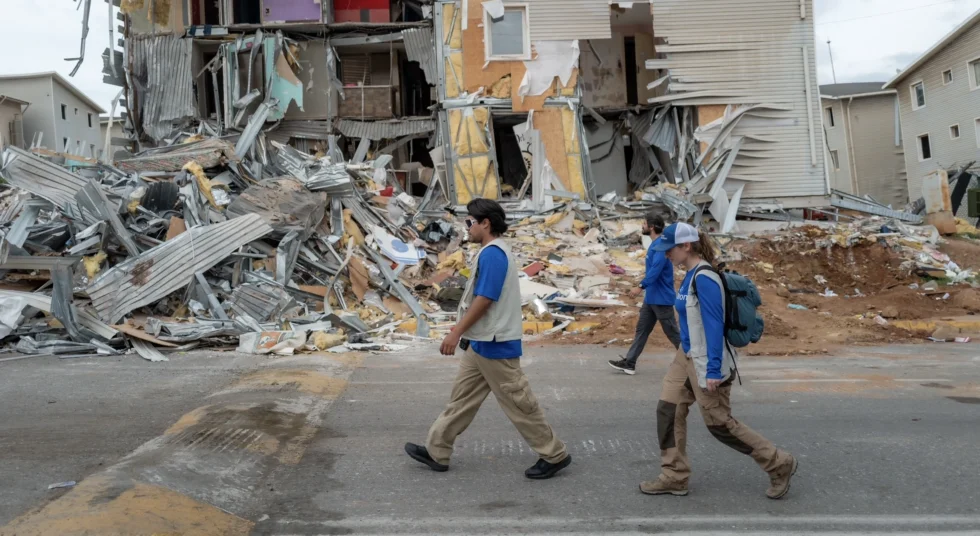
Super Typhoon Rai (named Odette in the Philippines) became the first Category 5-equivalent super typhoon to develop in the month of December since Nock-ten in 2016, and the third Category 5 super typhoon recorded in the South China Sea, following Pamela in 1954 and Rammasun in 2014. Its strength defied predictions, as it rapidly intensified before making multiple landfalls as a Category 5-equivalent storm in the Visayas and Mindanao.

Striking on December 16th, 2021, the typhoon claimed the lives of over 400 people and left thousands homeless. An estimated 16 million people have been directly impacted across six of the hard-hit regions in the Philippines, leaving about 2.4 million people in need of assistance. According to the National Disaster Risk Reduction and Management Council (NDRRMC) and the Department of Social Welfare and Development (DSWD) Typhoon Rai displaced over 631,000 people.
 

Our Response

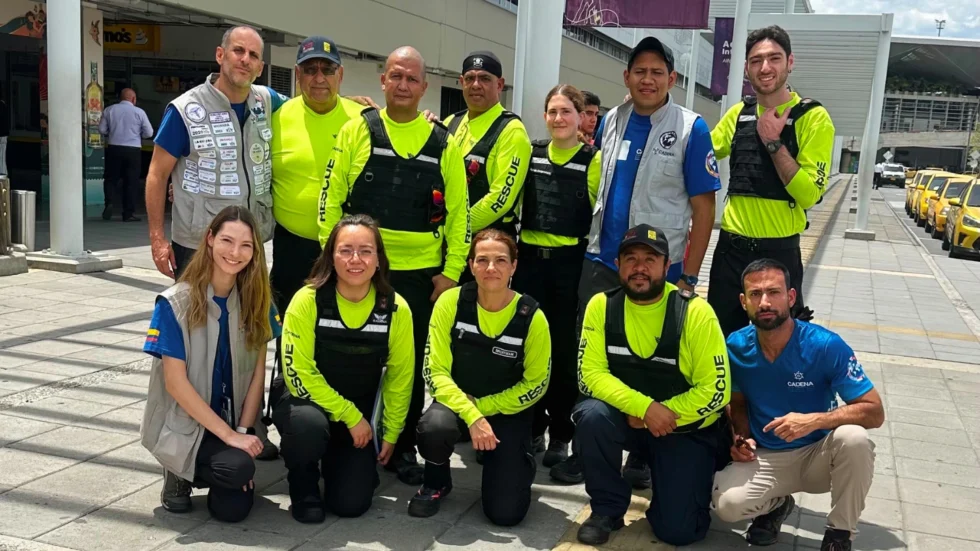
With the government now officially calling for international assistance, Airlink is currently mobilizing skilled responders and aid shipments with our NGO partners to provide: family emergency kits, food supplies, and tools for essential communications capabilities. Airlink is currently coordinating with four organizations that have existing programs in the country as they seek to provide relief to affected communities and make plans for recovery in the coming weeks.

Thanks to United Airlines for their advance support of Airlink’s programs, which has enabled the deployment of one skilled responder from NGO partner NetHope to address the significant telecommunications outages caused by the storm.


Impact Your World Report Highlights Airlink

CNN’s Impact Your World has compiled a list of donation opportunities to help those affected by the crisis.

Key Challenges

With COVID-19 case counts on the rise worldwide, international commercial flight access into the Philippines has been impacted, resulting in fewer flights for both aid cargo and responders into Manila and Cebu. In addition, non-resident incoming humanitarian aid workers are required to quarantine for 10 days upon arrival, delaying both assessments and the launch of an international response, and making it difficult for many international NGOs to supplement their existing, local programs in the country with surge capacity.

These requirements continue to change and may affect humanitarian access in the future, as communities move from response to recovery. Airlink continues to monitor all COVID-19-related logistical challenges and is working with implementing NGOs to respond to them as they arise.

How You Can Help

A coordinated response that delivers effective and appropriate aid is crucial. Despite well-intentioned efforts by individuals and companies to arrange private donations and giving drives, many supplies end up being unsuitable for the region, unused, and causing strain and congestion on local communities. As much as 60% of aid is often wasted. This is especially critical for responses involving smaller island communities, where overwhelming local resources can have severe consequences.

What sets Airlink apart is our strategic approach to disaster response. We collaborate with a vetted network of over 200 NGOs to carefully assess each request for aid movement. Our expertise in logistics and our strong partnerships with airlines allow us to transport aid efficiently and effectively, minimizing waste and maximizing impact.

Your donation is vital in ensuring a timely and effective response. Your support not only helps us respond to Cyclone Chido but also prepares us disasters in 2025. Every contribution makes a difference—please consider donating today to support communities in crisis and help us deliver the right aid to the right place at the right time.

Recent Responses

No results found.